

Cold snaps have a way of catching homeowners off guard, especially when water lines run through unheated crawl spaces, garages, or exterior walls. PEX (cross-linked polyethylene, a flexible plastic plumbing pipe) handles freezing better than rigid copper, yet a prolonged deep freeze can still rupture a fitting or split a run. The right heat tape keeps water moving through vulnerable pipes without turning your electric meter into a slot machine. This list gathers ten solid options worth weighing, whether you need a short cable for a single trap or a longer self-regulating run for a whole supply line.
A Side-By-Side Look

MS WGO High Temperature Tape Heat Resistant 10mm X 33m

MS WGO PI Film Polyimide Tape 1/2″ Wide 2 Roll
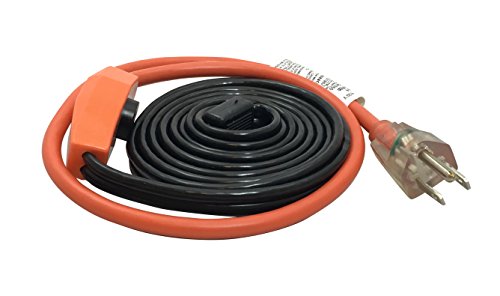
Frost King HC6A Heating Cables 6 Feet

Radiant Solutions Intelligent Heat Tape 18 Ft

Cupohus 3FT Heat Tape with Thermostat

JDZKOMKE 50FT Pipe Heating Cable

CHUANGSEED 2″ Heat Resistance Tape 216 Ft

CHUANGSEED 4″ Heat Resistance Tape 216 Ft

CHUANGSEED 3″ Heat Resistance Tape 216 Ft

FYTSE Easy Heat Freeze Protection Cable 10 Ft
The Picks, Examined More Closely
This narrow polyimide tape handles the kind of precise masking that foil or cloth tapes simply cannot match. At 10mm wide and 33 meters long, it slides along gold-finger edges on a PCB or the seam of a sublimation blank without bunching. Heat transfer work (the process of pressing a printed design onto fabric or coated metal using heat and pressure) is where it earns its keep, since the adhesive holds under a heat press yet peels away cleanly when the job cools.
Crafters building shirts, mugs, or hats in a home studio will appreciate how the roll keeps feeding without curling into itself. Compared to the broader CHUANGSEED rolls later in this list, this one trades width for control, which matters more when the design footprint is small.
What Makes Sense
- Slender 10mm width fits between closely spaced components during wave soldering
- 33-meter roll handles dozens of small masking jobs before running out
- No-residue adhesive keeps sublimation blanks free of sticky ghosts
- Affordable enough to dedicate a roll to a single craft niche
Things To Consider
- Not a pipe-warming cable, so shoppers needing freeze protection should skip ahead
- Narrow profile means slow coverage on wide PCB panels
Who It Suits Best
Sublimation crafters and electronics tinkerers running small, repeatable masking jobs on a workbench will find this tape a tidy fit.
Look Elsewhere When
Cupohus is a smarter match for anyone actually protecting a PEX line from freezing rather than masking a circuit.
Polyimide film tape (a thin, amber-colored plastic tape rated for extreme heat) is the workshop standard for masking during soldering, powder coating, and 3D printer bed prep. This MS WGO two-pack ships two 13mm-wide rolls rated past 450°F, which covers most reflow stations, hot ends, and small curing ovens a hobbyist owns. The adhesive stays put through thermal cycling without becoming brittle afterward, which is the real test of any high-temp tape.
Where the narrower roll from Item 1 handles micro-detail, this one gives you a half-inch buffer that survives rougher handling. Hobbyists who already own a heat press or a curing lamp will lean on these rolls year-round.
The Good Stuff
- Heat rating past 450°F tolerates most soldering and coating workflows
- Two-roll format means one stays clean while the other handles grimier jobs
- Polyimide construction resists tearing during peel-off
- Clean removal saves time on finishing work
Worth Noting
- Not designed for pipe freeze protection, so plumbing shoppers should pass
- Half-inch width can feel narrow on a wide powder-coating pass
Built With In Mind
Makers running soldering irons, reflow stations, or small curing ovens will find these rolls earn their bench space quickly.
A Better Fit Elsewhere
The JDZKOMKE 50FT cable is the smarter pick for anyone shielding PEX plumbing in a deep cold snap.
Here is the first proper pipe-heating cable on the list, and it earns its spot by being almost impossible to mis-install. The Frost King HC6A is a 6-foot, 120-volt cable rated at 7 watts per foot, meaning it sips power while keeping a short PEX run above freezing down to -40°F. You wrap it along the pipe, plug it in, and the internal thermostat cycles the heat on its own.
For a homeowner just discovering a vulnerable spot under a kitchen sink or in a basement mechanical room, this is the lowest-friction entry into heat-tape ownership. Unlike the high-temperature masking tapes above, this one is genuinely doing the job the keyword promises.
Positive Takeaways
- 6-foot length fits trap arms and short exposed runs without trimming
- Works on both metal and plastic pipe, so PEX compatibility is a given
- Automatic thermostat removes the need to swap it on and off by hand
Trade Offs
- Six feet is too short for whole-house runs, so larger projects need a longer cable
- Lacks an indicator light, which makes verifying power at a glance harder
Key Specs
Made For
First-time installers protecting a short PEX trap or a single exposed valve will find this the simplest way to get started.
Skip It When
The JDZKOMKE 50FT cable suits homeowners with a long basement run rather than a six-foot patch.
Radiant Solutions leans into the smarter end of the cable market, with a built-in thermostat that activates only when temperatures dip below 37°F, plus a GlowCap indicator that glows when power flows. The 18-foot run covers an average basement supply line, and the self-regulating core means you can overlap it slightly at sharp turns without hot-spotting the jacket.
Compared to the basic Frost King in Item 3, this cable gives you both peace of mind and a quick visual confirmation that the system is alive on a cold morning. The manufacturer backs it with a 10-year warranty, which is unusually long in this category.
Strengths Worth Knowing
- GlowCap provides an at-a-glance check that power is flowing
- Self-regulating core reduces fire risk at overlaps and elbows
- Compatible with copper, steel, PVC, ABS, and PEX without adapters
- 10-year warranty outlasts most homeowners’ tenure
Small Caveats
- Cable will not energize above 37°F, so testing requires an ice pack
- Indoor-only rating rules it out for outdoor hose bibbs
Best Suited To
Cold-climate households wanting a thermostat-driven, indicator-equipped solution for an interior PEX main will get a lot of mileage out of this cable.
Swap It Out When
The FYTSE Easy Heat cable is a more affordable pick for someone who only needs freeze protection on a short outdoor waterline.
Three feet is barely longer than a forearm, but for the right job nothing else fits. The Cupohus cable targets above-sink stop valves and short exposed runs where a longer cable would simply coil uselessly. Its thermostat kicks in when water temperatures drop toward 59°F, holding the line above freezing through a typical basement winter night.
Think of it as a surgical fix rather than a whole-pipe solution. Where the Frost King in Item 3 covers a 6-foot trap arm, this one handles the dead-end stub where PEX enters a wall cavity.
Useful Touches
- Built-in thermostat eliminates manual switching
- 3-foot length avoids coiling waste in tight spots
- Energy-saving mode cuts power when temperatures stabilize
Points To Note
- Too short for anything beyond a single valve or stub
- Thermostat location influences activation in well-insulated bays
Key Specs
Whose Shelf It Belongs On
DIYers patching a single vulnerable valve in a cold wall bay will find this trim cable the right size for the job.
Another Choice May Suit
Frost King HC6A is a better match when the run extends past a single valve.
The JDZKOMKE listing covers an unusually wide length range (3 to 200 feet), so the same product page scales from a single trap to a full crawl-space supply main. Its aluminum braid shield and TPE (thermoplastic elastomer, a tough, weather-resistant outer jacket) outer jacket are designed for rougher installs than the basic residential picks above. The grounded plug carries an indicator light, which solves the no-light issue that plagues the Frost King cable.
For a deeper garage or a manufactured home with a long PEX run along an exterior wall, this cable is sized to handle the entire stretch on a single circuit.
Well-Handled Touches
- Aluminum shield plus grounded plug improves safety on long runs
- Indicator light confirms power without a voltage tester
- TPE jacket resists chemicals and UV for tougher environments
- Length options reduce the temptation to splice shorter cables together
Honest Caveats
- Higher output draws more wattage per foot than 7W residential cables
- Longer lengths require careful circuit planning to avoid tripped breakers
Key Specs
Right Fit For
Homeowners with a long basement or crawl-space PEX run who want one continuous cable rather than a chain of patches.
Where A Sibling Pick Shines
Radiant Solutions Intelligent Heat Tape suits homeowners who prefer a thermostat with a visual indicator on a shorter run.
The CHUANGSEED line is purpose-built for masking during resin casting and powder coating, where the tape needs to survive oven temperatures above 230°C without curling or leaving residue. This 2-inch-wide roll offers a useful middle ground between the craft-grade sliver of Item 1 and the broader coverage of Items 8 and 9.
For anyone building epoxy river tables or coating small brackets, this width covers a mold edge in a single pass. It is not a pipe-warming tape, so plumbing shoppers can safely skip it, but workshop users will recognize its specialty fit right away.
Key Advantages
- Two-inch width masks mold edges in fewer passes
- Silicone adhesive holds through 446°F curing cycles
- 216-foot roll lasts through multiple large projects
- Residue-free peel saves finishing time
Room For Improvement
- Specialty tape, not a substitute for actual pipe heat cable
- Silicone adhesive can lift on dusty surfaces if not pressed firmly
Key Specs
Who Should Grab It
Epoxy artists and powder-coating hobbyists running repeat curing cycles will get reliable masking from this roll.
Reach For A Different Pick When
Frost King HC6A makes more sense for the actual freeze-protection job this article is named after.
When a project demands broad coverage, a 4-inch roll covers a wide PCB (printed circuit board) or a powder-coating pass in one strip. The same silicone adhesive and 446°F ceiling carry over from the narrower CHUANGSEED roll, so the only real trade-off is whether 4 inches matches the geometry of your work.
Compared to the 2-inch roll in Item 7, this one trades precision for speed on wide, flat surfaces. It is overkill for circuit-level masking but right at home for larger coating zones.
Everyday Advantages
- Wide format reduces total strip count on broad surfaces
- Same heat rating as the narrower CHUANGSEED rolls
- Long roll supports large recurring batches
Less Ideal Details
- Too wide for tight PCB traces or small sublimation blanks
- More tape waste per job if the surface geometry is irregular
Perfect Match For
Workshop users masking wide brackets, large panels, or sizable coating zones will find the width a real time saver.
Not Your Match When
JDZKOMKE 50FT is the better buy for anyone protecting PEX plumbing rather than masking a workpiece.
The 3-inch CHUANGSEED lands between its narrower and wider siblings, giving workshop users a versatile middle option. For most epoxy mold edges and powder-coating passes, 3 inches covers the surface without forcing excess waste along irregular contours. It runs through the same 446°F ceiling as the rest of the CHUANGSEED family.
For a homeowner running a mix of small and medium masking tasks, this width tends to get used up fastest simply because it fits the most jobs.
What Works In Its Favor
- Versatile width suits both detailed and broad masking tasks
- Consistent heat rating across the CHUANGSEED line
- One roll can serve multiple project types
Softer Spots
- Not a pipe-heating cable, so it has no role in freeze protection
- Bulk pack suits recurring users more than one-off buyers
The Right Fit
Hobbyists juggling resin casting, small coating passes, and odd masking chores will find this width the most flexible on the bench.
Consider Something Else When
Cupohus is a smarter pick for protecting actual PEX plumbing from freezing temperatures.
The FYTSE cable is built around a simple idea: cut the install steps down to almost nothing. The plug head and end caps arrive pre-installed, so you wrap the cable along the pipe, secure it with foil tape or pipe straps, and plug it in. The self-regulating core adjusts its output based on the surrounding temperature, which lets it run safely even where insulation is uneven.
For a homeowner who wants the lowest possible learning curve, this is the cable that most closely matches the plug-and-play ideal. Just remember it is designed for dry pipe runs, not immersion, so it should never sit in a wet sump or stand in pooled water.
What It Does Well
- Pre-installed plug and end caps skip the hardest wiring steps
- Self-regulating core trims energy use on warmer nights
- 10-foot run covers most residential trap arms and short supply lines
Practical Considerations
- Not rated for submersion, so avoid pooling water near the install
- Pre-cut length limits flexibility on longer or shorter runs
Key Specs
Who Will Love This
Homeowners who want minimal wiring steps for a short, exposed PEX line will appreciate the pre-cut, pre-plugged format.
Wrong Turns To Avoid
JDZKOMKE 50FT is the smarter choice for a full crawl-space install that exceeds ten feet.
Choosing Heat Tape That Fits Your PEX Run
The right heat tape depends on three quick decisions: how much pipe you need to protect, where that pipe lives, and how much wiring you want to do yourself. Short interior runs under sinks and along basement joists usually need only 3 to 10 feet of cable with a basic thermostat, while longer runs in crawl spaces often justify a self-regulating cable that scales up to 50 feet or beyond without manual switching.
Pipe material matters less than people think, since most modern heat cables are rated for copper, PVC, ABS, and PEX on the same product. What does change is the jacket rating. Indoor cables tolerate typical basement humidity but rarely survive direct UV or standing water, so outdoor hose bibbs and wet sump lines need a cable specifically rated for those conditions.
Insulation is the silent partner of any heat tape. A bare PEX line loses warmth faster than the cable can replace it, especially on a windy exterior wall. Wrapping the heated pipe with foam pipe insulation after the cable goes on keeps the system efficient and lets you run a lower-output cable. Without insulation, you are essentially heating the crawl space rather than the pipe.
Finally, think about controls. Self-regulating cables adjust output based on local temperature, so they cycle on and off without a separate thermostat. Fixed-wattage cables run continuously whenever plugged in, which works in deep cold but wastes electricity on milder nights. A built-in thermostat or indicator light adds small cost up front and noticeable convenience across a full season.
Key Considerations Across These Picks
Where Shoppers Go Wrong
The most common mistake is buying a high-temperature masking tape (Items 1, 2, 7, 8, and 9) when the real job is freeze protection. Those tapes are designed to survive curing ovens and soldering irons, not to warm a pipe overnight. The product names overlap, but the use cases do not. Another frequent slip is underestimating cable length. Measure the full run including any vertical drops before ordering, because a cable that falls a few feet short forces an awkward splice or a second outlet run.
What The Upgrade Pays For
Premium picks like the Radiant Solutions Intelligent Heat Tape earn their higher cost through a built-in thermostat, a visual power indicator, and a longer warranty. For someone running the cable once and forgetting about it, those features pay for themselves in confidence and energy savings over a decade. Budget cables like the Frost King HC6A work fine for short, low-stakes runs where a thermostat is not critical.
Frequently Asked Questions
Do heat tapes for PEX really differ from heat tapes for copper?
The cables themselves handle both materials well, since the heat transfers through the outer jacket and warms the pipe indirectly. What changes is the install: PEX tolerates a flexible wrap, while older metal pipes sometimes need pre-applied aluminum foil to spread the warmth evenly across the contact surface.
Can I leave heat tape plugged in all winter?
Most residential heat cables are designed for continuous duty through the cold months, and self-regulating or thermostatically controlled models cycle themselves on and off. Still, a quick visual check each season (cracks, exposed conductors, missing insulation) is wise before relying on the cable for another freeze cycle.
How long does a heat tape typically last?
Indoor residential cables generally last several seasons before the jacket shows wear, and higher-end models often advertise decade-long warranties. Lifespan depends on cycling frequency, jacket quality, and whether the cable sits in standing water or direct sunlight.
Is insulation required under or over the heat tape?
Insulation over the tape is strongly recommended because it traps the heat where it is needed. Insulation under the tape is usually unnecessary and can actually muffle the thermostat on cables with built-in sensors, so most installers skip it.
What gauge extension cord can I safely use?
Most heat cables draw moderate wattage and should be plugged directly into a grounded outlet. Extension cords are best avoided, since voltage drop across a long cord reduces heating output and adds fire risk. If an outlet is not nearby, an electrician installing a new receptacle is the safer path.
Wrap Up
The best heat tape for PEX is the one sized to your specific run, rated for the location it lives in, and matched to your appetite for wiring. Short interior stubs do fine with a basic 3 to 10-foot cable, while longer basement or crawl-space installs justify a self-regulating cable with a thermostat. For pure freeze protection, Items 3, 4, 5, 6, and 10 are your actual shortlist. The masking tapes in Items 1, 2, and 7 through 9 serve a different craft entirely. Pick the category that matches the job in front of you, and the rest of the decision tends to fall into place.
