

A slow drain, a faint smell near the leach field, or a gurgling toilet often arrives before a full backup, and most of those warning signs trace back to a drain field that isn’t getting the bacterial support it needs. Drain field treatments feed the living cultures that break down household waste before it reaches the soil, which keeps everything flowing the way it should. Rural homeowners, cabin owners, and anyone on a municipal edge benefit from a steady monthly routine that prevents expensive repairs down the road.
The Main Contenders
Doctor Drain One Flush Septic Enzyme Treatment Packets (6)

Rid-X Septic Tank Treatment, 3.2 Ounce

Rid-X Septic Treatment, 9.8 Ounce

Bio-Tab for Septic Systems 14 Tablets

Septic-Flow Enzyme Pods, 1 Year Supply

Bio-Safe One BIO-112 Septic Treatment 5-Gallon

Bio-Safe One BSA 10003 Septic Treatment (24 Treatments)

Bio-Safe One LVL1 Shock 5-Gal + 42 Treatments
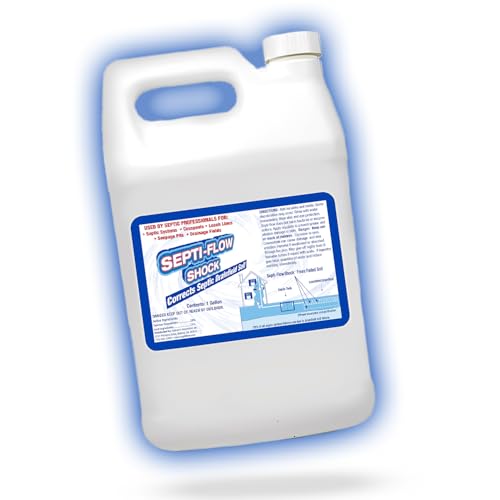
Septic-Flow Shock Drain Field Cleaner 1-Gallon
A Breakdown Of The Leading Choices
If your household runs on a standard 1,000 to 1,500-gallon tank and you want a routine you can actually stick to, Doctor Drain makes the first habit easier to build. The single-flush packet design removes the measuring, scooping, or guesswork that powder formulas usually demand, which matters in busy homes where someone is bound to forget the dose.
Where this pick separates itself from the powder options below is bacterial concentration. The formula carries a notably high count of natural bacteria cultures (enzymes are the protein-based helpers bacteria produce to break down waste), and the brand flags a non-corrosive profile safe for all pipe materials. For most modern households on PVC or older copper, that compatibility removes a real worry.
Why It Works Well
- One-packet dose simplifies monthly use for first-timers and forgetful homeowners alike.
- Non-corrosive formula protects PVC, copper, and older plumbing without etching joints.
- High bacteria count targets the proteins, oils, and paper that cause the slow drain smells before they start.
- Packet of 6 covers roughly half a year, easing the restock cycle for steady maintenance.
Worth Noting
- You may find six packets runs short for larger households that prefer to buy a full year at once.
- Liquid or pod users sometimes report a faint initial odor as bacteria activate, which usually fades within hours.
Feature Snapshot
Who It Suits Best
Homeowners with a standard 1,000 to 1,500-gallon tank who want a low-effort monthly habit without measuring powders or mixing liquids.
Look Elsewhere When
Rid-X Septic Tank Treatment in the 3.2-ounce size is a more familiar starting point for those who prefer a powder format from a long-established brand.
For someone whose first septic experience is happening right now, Rid-X is the name you’ll hear most often at the hardware store. The 3.2-ounce pack is small enough to keep in a utility closet without taking up real estate, and the powder format has been the default training-wheels option for decades.
The dual-action approach pairs fast-acting enzymes with longer-lasting bacteria, so the formula both jumps in on existing buildup and seeds the tank for ongoing work. Compared to Doctor Drain’s single-flush packets above, the trade-off is the measuring step, but the brand familiarity and compact size make up for it for shoppers who value recognition over convenience.
Bright Spots
- Long-established brand reduces the guesswork for first-time users learning the routine.
- Dual-action formula handles immediate breakdown and longer-term bacterial support.
- Compact 3.2-ounce container fits in small utility spaces.
Trade Offs
- Powder format requires measuring, which some homeowners find messier than flushable packets.
- Smaller pack size means more frequent reordering for year-round maintenance.
Who Should Grab It
New septic system owners who want a recognizable, easy-to-find powder treatment to start a monthly routine without overthinking the brand choice.
Consider Something Else When
Doctor Drain One Flush Septic Enzyme Treatment Packets fit better for those who want a measuring-free packet format instead of powder.
The larger 9.8-ounce Rid-X tub is the same trusted powder formula in a supply that actually lasts a typical household through several months of dosing. For people who already know the Rid-X routine from the smaller pack above, the upgrade feels natural rather than disruptive.
What’s notable is the value-per-dose math: a single tub covers more monthly treatments than the 3.2-ounce starter, which appeals to households that prefer fewer reorder cycles. The natural ingredients and 100% bacteria-based action remain consistent with the smaller sibling, so the trade-off is purely volume, not formula.
A Few Highlights
- Larger 9.8-ounce supply reduces how often you reorder across the year.
- 100% natural bacteria ingredient list keeps the formula gentle on plumbing.
- Powder format pours cleanly and dissolves once flushed through.
Honest Caveats
- Storage requires a dry utility space since powder clumps if exposed to moisture.
- Still requires measuring, so it isn’t the right fit for set-and-forget shoppers.
Right Fit For
Returning Rid-X users and standard households who want a multi-month supply of the same powder formula without measuring changes.
Reach For A Different Pick When
Bio-Tab for Septic Systems suits shoppers who would rather drop a tablet into the tank and skip the powder measuring entirely.
Tablets are the most hands-off format in this category, and Bio-Tab leans into that simplicity with a slow-dissolving design. Drop one in, walk away, and the enzymes and bacteria keep working at the source rather than passing through the system quickly.
The dual-action approach targets both the tank and the drain field, which matters because the field, not the tank, is where most long-term septic failures actually start. Compared to the Rid-X powders above, Bio-Tab trades the brand recognition for genuinely easier dosing, especially for homeowners who forget or skip monthly doses.
Reasons It Performs
- Slow-dissolving tablets deliver enzymes at the tank bottom where solids accumulate.
- Dual-action formula supports both the tank and the drain field, not just one side of the system.
- No measuring, no mess, and no powder residue to clean up after dosing.
Points To Note
- 14 tablets cover only about a year of monthly use, so restock planning matters.
- Tablets must pass through the plumbing intact, so older low-flow toilets may need an extra flush.
Key Product Details
Made For
Homeowners who want a literal drop-in routine and prefer tablets over powders, pods, or liquids.
Swap It Out When
Septic-Flow Enzyme Pods in the 1-year supply fit households that prefer water-soluble pods over tablets for easier toilet flushing.
For households that want to order once and forget about it, a 12-month pod supply removes the largest mental hurdle in septic maintenance. Each pod is a pre-measured dose, so the only habit you need to build is the calendar reminder.
The made-in-USA production is a real differentiator for shoppers who prioritize domestic manufacturing, and the pod format flushes more easily than tablets in some low-flow toilets. Where this sits relative to Bio-Tab above is straightforward: same low-effort idea, different format, with a longer supply built in.
Notable Upsides
- 12-month supply means one annual purchase covers the entire year.
- Pre-measured pods eliminate the powder or tablet measuring step.
- Made in the USA for shoppers who factor domestic production into their choices.
Some Limits To Know
- Pods dissolve faster than tablets, so they may flush through some systems before fully releasing.
Best Suited To
Cost-conscious households that want a full year of maintenance in a single order with minimal monthly effort.
A Better Fit Elsewhere
Bio-Tab for Septic Systems suits shoppers who want slower-dissolving tablets instead of quicker pods.
When a drain field is showing real warning signs rather than just needing routine support, you move from monthly maintenance into restoration territory, and BIO-112 is built for that job. The 5-gallon liquid format delivers a heavy-duty dose of patented bacteria strains designed to break down the biomat layer (a thick sludge coating that clogs soil pores in the drain field) that builds up in neglected systems.
This is not a casual monthly treatment. It is concentrated, USA-made, and aimed at homeowners dealing with slow drains, surface odors, or a system that is starting to back up. Compared to the pod and packet options earlier in this list, BIO-112 trades simplicity for raw restoration power.
Positive Takeaways
- Patented bacteria strains target the biomat layer that standard maintenance products cannot reach.
- 5+ year shelf life means the pail can sit in storage until you need it.
- Liquid format mixes quickly into the tank water without measuring powders or pods.
- Suitable for both residential and commercial grease trap applications.
Points To Keep In Mind
- 5-gallon pail is bulky and requires a dry storage area.
- Heavy-duty dosing is overkill for systems that only need routine monthly support.
- Restoration use requires following a specific application schedule to see results.
Quick Facts
Who Will Love This
Homeowners with a drain field that is showing early failure signs who need a restoration dose rather than routine monthly support.
Where A Sibling Pick Shines
Bio-Safe One BSA 10003 fits households that want a routine monthly plan instead of a one-time restoration dose.
Where BIO-112 above is the restoration hammer, BSA 10003 is the long-term preventive program. The 24-month supply is built around consistent monthly dosing with lab-cultivated bacteria strains that the brand traces back to early environmental cleanup work.
The selling point here is depth of digestion rather than raw shock power. The formula is engineered to fully digest sewage rather than just break it into smaller particles, which keeps solids from re-settling in the drain field. For homeowners who want a structured multi-year plan without buying single packs each month, this fits that mindset.
Standout Benefits
- Lab-cultivated patented strains offer a more controlled bacterial approach than generic powders.
- Two-year supply removes the monthly reorder habit for the duration.
- Targets complete digestion rather than partial breakdown, supporting drain field longevity.
- Useful for RV, hotel, and commercial applications beyond standard residential use.
Less Ideal Details
- Higher upfront commitment than smaller monthly packs.
- Brand-specific dosing schedule differs from familiar powder routines, so plan reading is required.
Perfect Match For
Homeowners who want a multi-year, structured preventive plan rather than monthly repurchasing of generic powders.
Not Your Match When
Rid-X Septic Treatment in the 9.8-ounce size is the right fit for shoppers who prefer a simpler, lower-commitment powder brand.
The LVL1 bundle pairs a 5-gallon shock dose with 42 follow-up treatments, which makes it a full intervention plan rather than a single purchase. This is built for septic systems that are actively showing failure signs and need both the initial slam and the long recovery tail.
For commercial settings, hotels, or residential systems under heavy load, the bundle covers both phases in one shipping. Where it sits relative to BIO-112 above is in the support that comes after: you get the heavy dose plus 42 monthly maintenance treatments to keep the system on track once the immediate crisis passes.
What Pays Off
- Combines a shock dose with 42 ongoing treatments in a single bundle.
- Designed for reversing biomat and sludge accumulation in failing systems.
- Works across residential, commercial, and portable toilet applications.
Possible Compromises
- Bundle size and cost exceed what most stable residential systems need.
- 5-gallon pail demands a dedicated storage area before use.
Technical Highlights
Whose Shelf It Belongs On
Property managers and homeowners dealing with a septic system in active distress who need both the shock and the follow-up plan.
Skip It When
Doctor Drain One Flush Septic Enzyme Treatment Packets suit households on a healthy routine that doesn’t need an intervention dose.
Where most treatments in this list focus on bacteria and enzymes, the Septic-Flow Shock targets something different: the soap, detergent, sodium, and sulfate buildup that accumulates in leach field lines over years of household cleaning. The 1-gallon liquid dose is meant to flush those residues out of the field lines themselves.
For homes with hard water or heavy laundry volume, that residue buildup is often the hidden reason a drain field slows down even when the tank is in good shape. Compared to the broader Bio-Safe One restoration products above, this pick is narrower in focus but useful as a complementary treatment.
Everyday Wins
- Specifically targets soap, detergent, and mineral residue rather than organic waste alone.
- 1-gallon format is more manageable than the 5-gallon restoration pails.
- Complements monthly bacterial treatments for hard-water households.
Where It Is Less Suited
- Not a substitute for routine bacterial maintenance, since it targets residue rather than waste breakdown.
- Hard-water benefit is limited in regions with already-soft incoming water.
Built With In Mind
Households with hard water, heavy laundry use, or older drain field lines where soap residue is the suspected culprit.
Where Another Pick Suits Better
Septic-Flow Enzyme Pods in the 1-year supply fit households that want ongoing bacterial maintenance rather than a one-time residue flush.
What To Look For Before Choosing A Drain Field Treatment
The first thing to confirm before buying is your tank size, since most residential treatments dose for 1,000 to 1,500-gallon systems, and undersized dosing simply will not keep up. Larger households or properties with garbage disposals push that need upward, while a single-occupancy cabin on a 500-gallon tank can usually run on lighter monthly doses.
Look at the bacterial formula next. A blend of enzymes (the protein helpers that bacteria produce) plus live bacteria cultures covers both immediate breakdown and ongoing digestion, which is why dual-action products tend to outperform single-ingredient options. For drain field health specifically, prioritize formulas that mention both tank and field support, since field neglect is what causes most expensive failures.
Format matters more than most shoppers expect. Powders require measuring and dry storage, packets and pods go straight in the toilet, tablets drop into the tank through the plumbing, and liquids need a pail and a pour. The format you will actually use every month is the format you should buy.
Matching Treatment To System Condition
A healthy system on a routine needs a maintenance product like Doctor Drain or Rid-X. A system showing early warning signs (slow drains, surface odors) benefits from a heavier dose like BIO-112. A system in active distress needs the LVL1 bundle or a professional inspection alongside treatment.
Reading The Label Honestly
Watch for vague claims that name only “natural enzymes” without specifying bacteria counts or strain types. Real bacterial strength is measured in colony counts, and products that avoid those numbers usually have less to brag about. Patented strains with published research tend to deliver more predictable results than generic blends.
Storage And Household Habits
Consider where the product will live between doses. A powder in a humid garage clumps, a 5-gallon pail needs floor space, and pods in a bathroom closet stay ready to grab. The best treatment is the one your routine actually uses, not the one with the strongest lab profile.
Navigating Septic Treatment Choices With Confidence
Pitfalls Shoppers Hit
The most common mistake is treating a drain field like a kitchen drain. Harsh chemical drain openers kill the bacteria your septic system depends on, which is why enzyme and bacteria-based products dominate this category. Pouring bleach-based cleaners down the drain in large volumes undoes months of treatment work.
Another trap is buying once and expecting permanent results. Drain field treatments support biology, but biology needs ongoing feeding. Skipping doses for six months and wondering why the system slows down is a pattern homeowners commonly report.
Why Top Tier Costs More
Higher-priced treatments usually bring patented, lab-cultivated bacteria strains rather than generic cultures, plus concentration levels that generic powders do not match. The extra cost reflects research, strain specificity, and shelf stability, which is why professional-grade options cost more per dose. For a healthy system on a steady routine, the upgrade is rarely necessary, but for neglected or borderline systems, the stronger formula often avoids a pumping or repair bill that costs far more.
Frequently Asked Questions
How often should drain field treatments be applied?
Most monthly bacterial treatments are designed for one dose every 30 days, which keeps bacterial populations steady in the tank. Shock and restoration products follow their own schedules, usually with an initial heavy dose followed by maintenance doses over several weeks.
Are drain field treatments safe for all plumbing?
Enzyme and bacteria-based treatments are generally safe for PVC, copper, and older metal plumbing because they work biologically rather than chemically. Avoid any product labeled as a chemical drain opener, since those can corrode pipes and kill beneficial bacteria.
Can a drain field recover after showing failure signs?
Early-stage issues like slow drains and surface odors often respond to heavier bacterial dosing combined with reduced water load. Once the field is fully saturated or the biomat layer is hardened, professional intervention is usually the next step.
Do treatments help with septic odors outside the home?
Yes, since drain field odors typically trace back to incomplete waste breakdown in the tank and field. Regular bacterial dosing reduces the anaerobic activity (decomposition without oxygen) that produces those smells in the first place.
Is it safe to use a garbage disposal with a septic system?
Garbage disposals add significant organic load to a septic tank, which means more frequent pumping and steadier bacterial dosing. Treatments help, but reducing disposal use or composting food waste makes a noticeable difference over time.
Closing Thoughts
A drain field treatment works best when it matches your tank size, your water habits, and the condition of your system, not when it has the strongest label. For most households on a healthy system, a simple monthly packet or pod keeps things moving without overthinking. For anyone seeing early warning signs, stepping up to a heavier dose or a restoration bundle is the move before a small issue turns into an excavation bill.
