

A flooded basement is the kind of problem you don’t see coming until the carpet is soaked. A dependable sump pump, or a pair working in tandem, buys you time when the water table rises or a storm parks itself over your roofline. The pumps below span everything from compact utility models to cast-iron workhorses, and each one brings a slightly different balance of flow rate, lift height, and switch logic to the table. For homeowners dealing with recurring seepage, anyone finishing a basement, or DIYers managing a construction pit, the right pump turns a stressful night into a quiet one.
The Lineup, Simplified

Tsurumi Pump LB-480 Submersible Dewatering Pump 2/3 HP

WAYNE CDU790 1/3 HP Submersible Cast Iron Sump Pump

Saker Automatic On/Off Submersible Pump 1/4 HP 2377 GPH

AQUASTRONG 1 HP Sump Pump 4500 GPH

Aquastrong 1/2 HP Portable Utility Pump 3159 GPH
Aquastrong 1/2 HP Utility Pump 3159 GPH with Float Switch

Aquastrong 1/2 HP Automatic Sump Pump 3159 GPH
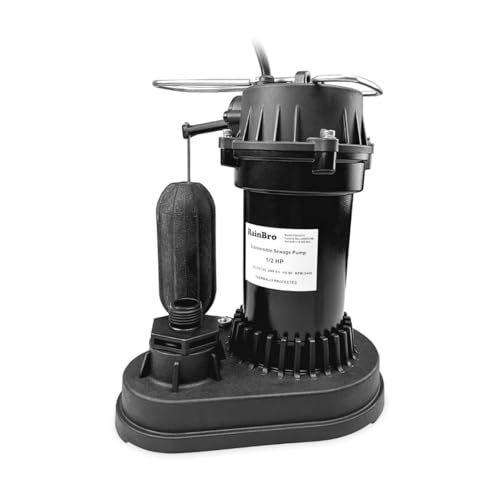
Rainbro 1/2 HP Thermoplastic Sump Pump PSU051V

XtremepowerUS Automatic 1/2 HP 3800 GPH Aluminum Sump Pump

Green Expert 1/2 HP Submersible Utility Pump 2500 GPH
A Deeper Look At The Lineup
Where the WAYNE CDU790 below is built for a finished basement pit, the Tsurumi LB-480 is built for rougher service. Its slimline 2/3 HP body slips into an 8-inch caisson with room to spare, and the cast-iron exterior shrugs off the gravel and grit that come with excavation work. The 32-foot power cord gives trades real reach across a job site without needing extension leads.
This is the pick for contractors and homeowners running a dual-pump dewatering rig around a foundation pour. Owners commonly report the urethane impeller holding up to silty water that would punish a thermoplastic unit. Set it and forget it; the design prioritizes long-life flow over a fancy switch array.
What It Does Well
- Slimline profile fits an 8-inch caisson cleanly
- 63 GPM flow at 2-inch discharge handles heavy dewatering loads
- 32-foot cord keeps the outlet reachable on big sites
- Cast-iron and urethane construction resists abrasive silt
- 2/3 HP motor delivers strong lift for taller discharge runs
Points To Note
- Lacks an integrated float switch, so manual or external control is needed
- Heavier than plastic utility pumps, harder to move in and out of a residential pit
Key Specs
Right Fit For
Contractors and homeowners managing a foundation pour, deep excavation, or a serious basement dig who need flow and grit tolerance more than a fancy switch.
Skip It When
You just want a quiet, automatic basement pump and the WAYNE CDU790 will fit the bill with less setup.
The WAYNE CDU790 leans into classic basement duty. A 1/3 HP motor pushes up to 4,600 GPH, and the cast-iron volute is paired with an epoxy-coated steel motor housing, a combination that handles long, slow cycles without complaint. The integrated vertical float switch kicks the pump on the moment the waterline rises past its trip point.
For a typical 18-inch residential sump pit, the CDU790 hits a sweet spot of flow, durability, and price. Owners commonly report years of unattended service with only an annual screen rinse. Compared with the Tsurumi LB-480 above, this is the more homeowner-friendly option; smaller, less industrial, and ready for an indoor crock right out of the box.
What Helps Most
- Cast-iron volute for years of cycle-heavy use
- Integrated vertical float switch with no extra wiring
- 4,600 GPH ceiling flow handles heavy rain events
- Epoxy-coated steel housing resists basement humidity
Things To Consider
- Vertical float needs a deeper pit to swing freely
- Heavier than thermoplastic alternatives, harder to lift for cleaning
Built With In Mind
Homeowners with a finished basement and a standard 18-inch sump crock who want a set-and-forget primary pump.
A Better Fit Elsewhere
Construction crews running dewatering hoses will get more grit tolerance and a longer cord from the Tsurumi Pump LB-480.
The Saker is the smallest pump in the lineup, and that’s its selling point. At 1/4 HP and 2,377 GPH, it pulls the last few inches of standing water without burning through amperage. The automatic switch trips on around 2.5 inches of water and shuts off near 0.75 inches, then runs for an extra 30 seconds to clear the last puddle on a pool cover.
It’s a tidy fit for homeowners who only need a pump for seasonal cover drainage or as a backup alongside a larger primary. The pre-installed check valve inside the adapter is a thoughtful touch that removes a step from setup. Think of it as the unit you reach for when the Aquastrong 1 HP is overkill for the job.
Practical Advantages
- Low 1/4 HP draw suits standard outdoor outlets
- 2,377 GPH clears most residential pools in steady cycles
- Built-in check valve inside the discharge adapter
- 30-second run-on cycle pulls the waterline down tight
Room For Improvement
- Flow is modest for serious flood response
- Plastic construction means gentler handling on a job site
Whose Shelf It Belongs On
Pool owners who drain a cover after every storm, plus homeowners wanting a lightweight secondary pump for shallow basins.
Consider Something Else When
You need real basement protection, and the WAYNE CDU790 will out-cycle and outlast this Saker in a primary sump role.
The AQUASTRONG 1 HP is the muscle car of this list. Rated at 4,500 GPH with a 30-foot vertical lift, it tackles basement floods that would have a smaller pump cycling nonstop. Bottom-suction design pulls water down to roughly 1/5 inch from the floor, leaving the pit almost dry between cycles.
This is a smart primary pick for anyone whose basement has historically taken on water during major storms. The plug-in design keeps controls simple; unplug to stop, plug to start. One thing worth considering: the 1 HP motor wants a dedicated 15-amp circuit, so check your panel before installing.
Everyday Advantages
- 4,500 GPH at 5-foot head clears flooded basements fast
- 30-foot vertical lift handles deep discharge runs to the yard
- Bottom-suction screen pulls water down to 1/5 inch
- Handles up to 1/5-inch solids without clogging
Honest Caveats
- Heavier and bulkier than the smaller Aquastrong siblings
- Demands more amperage than a typical 1/2 HP unit
Feature Snapshot
Best Suited To
Homeowners with a finished basement in a high-water-table area, where cycle speed matters more than pump size.
Not Your Match When
You’re handling shallow, low-head drainage tasks, and the Aquastrong 1/2 HP 3159 GPH Portable Utility Pump is a lighter, more energy-frugal fit.
The Aquastrong 1/2 HP 3159 GPH plays the role of jack-of-all-trades. Thermoplastic body keeps the weight down, and the 10-foot cord is long enough to reach a GFCI outlet across most basements or patios. At 26 feet of vertical lift, it pushes water uphill when your only drainage option is up.
You’ll see this one recommended a lot for swimming pools, garden ponds, and window wells, and that’s where it shines. Pull it out of the closet when the rains come, store it on a shelf the rest of the year. The same bottom-suction screen and 1/5-inch solids handling carry over from the 1 HP version, just with a smaller motor. Compared with the Saker, it carries twice the flow.
Key Advantages
- 3,159 GPH at 5-foot head for solid mid-range flow
- 10-foot cord reaches distant outdoor outlets
- 26-foot vertical lift for uphill discharge runs
- Lightweight thermoplastic body, easy to carry
Worth Noting
- No built-in float switch, so manual on/off control
- Thermoplastic body is tougher than resin but softer than cast iron
Made For
Homeowners who want one pump to move between a hot tub, a window well, and a flooded lawn trench without lifting a heavy cast-iron unit.
Look Elsewhere When
You need unattended automatic operation, where the Aquastrong 1/2 HP Utility Pump 3159 GPH with Float Switch is a smarter match.
The Aquastrong 1/2 HP Float Switch is the same 3,159 GPH pump above with a key addition: an adjustable tether float. The float lets you dial in exactly where the pump turns on and off, so you control the residual water level in the pit rather than accepting whatever the factory setting gives you. Latch the handle in the up position for continuous-on mode.
This combination lands well for basements, pools, hot tubs, and garden ponds, especially when the sump depth doesn’t match a typical vertical-float swing. Owners commonly report using the tether to keep short-cycling at bay in shallow basins. The trade-off compared with the next Aquastrong entry is mechanical switch versus electronic sensor; this one is a piece of plastic on a string, which most folks find easy to clean and replace.
Why It Works Well
- Adjustable tether float for custom on/off levels
- Continuous-on mode via handle lock
- 3,159 GPH at 5-foot head
- 10-foot cord for flexible placement
Small Caveats
- Tether float needs pit room to swing freely
- Mechanical float is more exposed to debris than an enclosed sensor
Right Fit For
Shops and homeowners who want to fine-tune the trigger depth and clean the float without a service call.
Swap It Out When
Your pit is too cramped for a tether swing, and the Aquastrong 1/2 HP Automatic Sump Pump 3159 GPH is the better fit.
The Aquastrong 1/2 HP Automatic Sump Pump trades the tether float for a built-in electronic sensor. The sensor picks one of six water-level set points, ranging from 1 inch to 5 inches, and shuts the pump off at 0.4 inch. No moving parts, no tether swing, no fouling with debris.
That sealed sensor is the whole point of this model. Tight sumps, narrow basins, and pits packed with plumbing all benefit from a switch that has nothing to physically move. Compared with the tether-float version above, you give up adjustability in exchange for a tidy, sealed package. The trade-off, depending on your water quality, is that electronic sensors can sometimes stick if mineral buildup accumulates.
What Pays Off
- Sealed electronic sensor with no moving float
- Six selectable trigger levels for varied pit depths
- Shuts off at 0.4 inch for low residual water
- 3,159 GPH at 5-foot head, same proven motor
Worth Bearing In Mind
- Sensor is non-replaceable in the field, so a switch failure means pump replacement
- Mineral-heavy water can occasionally confuse the sensor
Made For
Homeowners with tight or shallow pits where a tether float would bind, or anyone who just wants a sealed switch.
Reach For A Different Pick When
You have a deep crock and prefer the simplicity of a mechanical float, where the WAYNE CDU790 remains a steady standby.
The Rainbro PSU051V stretches the depth rating further than the rest of the field. Maximum immersion depth sits at 22 feet, and the head tops out at 31 feet, which is genuinely useful for a basement with a deep pit or for a homeowner pushing water up to a curb-level discharge. A 10-foot cord handles the typical residential outlet reach.
Rated at 3,600 GPH, it slightly outpaces the 3,159 GPH Aquastrong siblings on raw flow. The vertical float switch is the conventional style, which means the pit needs a minimum diameter to swing without binding. The plastic shell keeps weight low for an easy lift, and the motor accepts both clean and dirty water duty.
Useful Touches
- 22-foot submergence depth for unusually deep pits
- 31-foot head for tall discharge runs
- 3,600 GPH at peak flow
- 10-foot power cord for indoor reach
Factors To Consider
- Vertical float needs pit clearance to swing
- Thermoplastic body won’t shrug off a hard drop the way cast iron will
Right Fit For
Homeowners with deep basements or steep uphill discharge runs, where the extra head rating earns its keep.
Where Another Pick Suits Better
For tight pits where a vertical float won’t move freely, the Aquastrong 1/2 HP Automatic Sump Pump fits with its sealed sensor.
The XtremepowerUS Automatic 1/2 HP pairs a 3,800 GPH rating with an epoxy-coated cast aluminum housing, lighter than cast iron but tougher than typical thermoplastic. The integrated vertical float switch trips on around 9 inches and shuts off at 2 inches, which works for most residential sump pits right out of the box.
Top-suction design is the headline feature: it pulls water in through the sides of the volute rather than the bottom, which reduces clogging from settled debris. A 10-foot cord, 30-foot vertical lift, and a copper motor with thermal overload round out the spec. The aluminum body, depending on your water’s pH, can show surface oxidation over years of submersion; a quick wipe-down each season keeps it tidy.
Good Reasons To Consider
- Top-suction design reduces clogging from pit debris
- 3,800 GPH at peak flow
- Aluminum body lighter than cast iron, tougher than plastic
- Integrated vertical float, no extra wiring
Some Limits To Know
- Vertical float needs pit diameter for swing
- Aluminum may develop surface oxidation in mineral-rich water
Best Suited To
DIYers who want a quick-install backup pump or a primary that won’t punish them with cast-iron weight on a ladder.
Another Choice May Suit
If you have very hard water and worry about long-term corrosion on aluminum, the WAYNE CDU790’s cast-iron and stainless build is a calmer long-term bet.
The Green Expert 1/2 HP is the manual option in the lineup, no float, no sensor, just plug and pump. At 2,500 GPH with 25 GPM at 10-foot lift, it moves water at a steady pace and shuts off the moment you unplug. The oil-free PSC motor comes with thermal overload protection, so a stuck impeller won’t burn the windings.
Included check valve and hose adapters make this a tidy package for spot jobs: empty a hot tub, drain a flooded window well, clear out a pool cover after a storm. It can be a perfectly serviceable backup if you already have a primary in place, since manual control keeps you in charge of when it runs. For unattended primary duty, the WAYNE CDU790 with its integrated float is a calmer choice.
A Strong Showing
- 2,500 GPH for spot-drain and pool-cover work
- Manual plug-in control with no switch to fail
- Thermal overload protection on the motor
- Includes check valve and hose adapters
Possible Compromises
- No automatic switch, so it won’t run unattended
- Lower flow than other 1/2 HP options on this list
Best Suited To
Homeowners who want a manual spot-drainer for hot tubs, pools, and small indoor floods where they can watch the pump run.
Skip It When
You need a primary pump that turns itself on during a storm, where the WAYNE CDU790 is built for that exact duty.
What To Weigh Before Picking A Sump Pump
Sump pumps are easy to underestimate until you need one. The first decision is how much water you actually face. A 1/3 HP unit like the WAYNE CDU790 clears most finished basements, while a 1 HP workhorse like the AQUASTRONG 4500 GPH is the safer pick for high water tables or storm-prone regions. Flow rating, expressed in gallons per hour, is the headline number, but head height matters just as much; every foot of vertical lift eats into the rated flow, so check the curve at your actual lift distance.
Next, think about switch logic. Mechanical float switches, like the one on the XtremepowerUS, are simple and field-replaceable, but they need pit room to swing. Electronic sensors, like the Aquastrong Automatic Sump Pump, free up space in tight basins but lose the easy field-repair. Tether floats fall between, with adjustability and a small swing arc. For dual-pump setups, pairing a primary with a manual or battery backup keeps the basement covered during power loss.
Construction materials and cord length round out the practical list. Cast-iron volutes and stainless fasteners, like on the WAYNE CDU790, last longer in heavy-cycle duty. Thermoplastic and aluminum bodies stay light for portable use, but you trade some longevity. Cord length from 10 to 32 feet determines whether you need an extension cord, and any submerged pump should run on a GFCI-protected circuit by code.
Key Considerations Across These Picks
Pitfalls Shoppers Hit
The most common mistake is sizing for the calm-weather day, not the worst storm. A pump that cycles 12 times a year will live a long life, but the same pump on a flood-prone lot could cycle hourly in spring, and a 1/3 HP unit will wear out faster than a 1/2 HP equivalent. Equally common is forgetting the check valve; without one, the pump short-cycles as water falls back into the pit between runs.
Where The Extra Money Goes
Cast-iron volutes, stainless hardware, and copper-wound motors cost more up front but hold up to years of cycle-heavy use. Premium tier also tends to mean better seals, longer cords, and tighter machining that reduces air-lock problems during start-up. For most homeowners, a mid-tier 1/2 HP cast-iron pump strikes a fair balance between durability and cost, while the higher end earns its keep on lots with chronic water problems.
Frequently Asked Questions
What Size Sump Pump Do I Need For My Basement?
A 1/3 HP pump handles a typical 18-inch residential pit with light-to-moderate water intrusion, while a 1/2 HP model is a safer pick for high water tables. Homes with chronic flooding benefit from a 1 HP unit or a dual-pump setup.
Should I Pick A Float Switch Or An Electronic Sensor?
A float switch is simple, field-replaceable, and works in any clean water setup. An electronic sensor suits tight pits with no swing room, but it isn’t field-serviceable if it fails, so consider replacement strategy.
Can I Use A Utility Pump As My Main Sump Pump?
A utility pump like the Aquastrong 1/2 HP Portable works for spot-draining and backup duty, but for unattended primary use, a pump with an integrated automatic switch is the safer long-term choice.
How Often Should I Test My Sump Pump?
Pouring a bucket of water into the pit every few months confirms the switch still trips and the motor runs. Annual cleaning of the intake screen keeps flow steady and prevents summer odors.
Do I Need A Battery Backup For My Sump Pump?
Homes in storm-prone regions benefit from a battery or water-powered backup, since the primary pump can’t run without electricity. A second 12V or manual pump alongside the primary covers the gap during outages.
Closing Remarks
Choosing the right sump pump comes down to matching flow, lift, and switch style to your basement’s reality. A cast-iron primary like the WAYNE CDU790 covers most finished basements, while a portable utility pump handles the spot jobs that pop up seasonally. Take stock of your pit depth, your typical water load, and whether you need automatic or manual control, and the right pick from this list will pay for itself the first time the rains roll in.
