

Slow drains are one of those household annoyances that creep up on you. The kitchen sink gurgles a little longer, the shower leaves a puddle, the bathroom sink smells off. Whether you keep a go-to jar under the sink or pull out heavy artillery for a stubborn backup, the right drain cleaner depends on what you’re fighting and what kind of plumbing you have.
The picks below split into two camps: fast-acting granular and caustic formulas that attack a clog right now, and biological treatments that keep septic systems and drainfields healthy over time. Match the formula to the problem, and you’ll avoid repeat clogs and damaged pipes.
The Main Contenders

Thrift T-600 Alkaline Granular Drain Cleaner 6 lb (Two Pack)
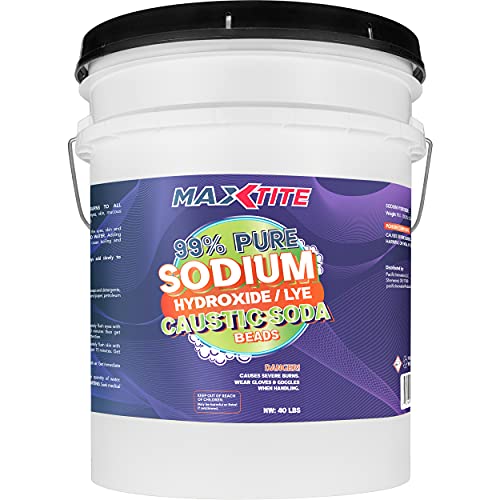
MaxTite Caustic Soda Beads 99% Pure 40 lbs

Thrift T-600 Alkaline Granular Drain Cleaner 6 lb

Insta-Flo Crystals Drain Cleaner 2 lb

Essential Depot Food Grade Sodium Hydroxide 40 lb

Boyer Corporation Food Grade Lye 2.2 lb

Bio-Safe One BIO-112 Septic Sludge Digester 5 Gal

BSA 10003 Septic Treatment 24 Monthly Doses

Bio-Safe One LVL1 Shock 5 Gal + 42 Treatments
The Details Behind The Selections
For homeowners who hit a slow drain every few months, the two-pack of Thrift T-600 is the kind of supply you tuck onto a garage shelf and forget about until you need it. The alkaline-based crystals (a dry, odorless granular powder) activate with hot water, and they’re built for tougher jobs than the average gel bottle.
You pour the granules straight in, chase with hot water, and the formula goes to work on grease, hair, and soap scum without leaving behind a chemical smell. The two-pack format makes sense for households with more than one stubborn drain, or for keeping a backup container in the garage. It’s a step up from single-bottle options like the Insta-Flo pick below.
Strong Points
- Six pounds across two containers means you’re stocked for multiple drain interventions without restocking soon.
- Hot water activation means no measuring cups or mixing, just pour, chase, and wait.
- Alkaline-based, non-acidic formula suits porcelain, chrome, plastic, and metal plumbing lines.
- Granular form handles hair and grease clogs that liquid gels often leave behind.
Things To Consider
- Two containers take up more shelf space than a single bottle, something to weigh in small utility closets.
- Alkaline formulas call for gloves and eye protection during handling.
Key Specs
Who It Suits Best
Multi-drain households and frequent DIYers who want a generous supply on hand without ordering again next month.
Skip It When
Grab the Thrift T-600 single-bottle pick instead, since one container may be plenty for a small apartment or first-time shopper.
When the kitchen line has been sluggish for weeks and nothing touches it, you’re in caustic soda territory. Sodium hydroxide (commonly called lye) reacts strongly with water and organic buildup, breaking down grease and hair at the chemical level rather than just loosening it.
The MaxTite jug holds 40 pounds of 99 percent pure beads, which is more than the average homeowner needs but a sensible scale for shop owners, landlords, or anyone running a property with chronic drain issues. The beads dissolve evenly in hot water, and the bulk format means fewer reorders. You handle it carefully, and it handles the worst clogs in your pipes.
What It Does Well
- High purity level means more active ingredient per scoop and stronger reaction in the drain.
- Bulk container lowers the per-use cost for frequent cleaners.
- Same lye base used in commercial settings like water treatment and industrial cleaning.
Things To Consider
- Highly caustic: full protective gear and good ventilation are non-negotiable, especially for casual users.
- Bulk 40 lb jug demands a dry, secure storage spot away from kids and pets.
- Hard on aluminum and certain metals, so verify your plumbing material before pouring.
Built With In Mind
Property managers, workshop owners, and homeowners with multiple stubborn drains who want a serious, long-lasting supply.
Consider Something Else When
Look at the Boyer Corporation lye pick instead, since a smaller 2.2 lb container is easier to store for casual use.
If the two-pack feels like overkill for your bathroom sink, the single 6 lb Thrift T-600 jar is the friendlier entry into alkaline drain cleaning. You get the same hot-water-activated formula in a single container that fits on a utility shelf.
The dry, odorless crystals appeal to anyone who doesn’t want their kitchen smelling like a chemistry lab. Compared with the bulkier MaxTite lye jug above, this is a milder, more approachable product. You pour, chase with hot water, give it time to work, and flush.
A Strong Showing
- Single 6 lb jar is manageable in size for first-time users and smaller homes.
- Odorless crystals keep the workspace tolerable during use.
- Hot water activation simplifies the process for anyone new to granular cleaners.
Honest Caveats
- One jar may run out fast in homes with several slow drains, and a refill trip follows.
- Alkaline formula still requires basic safety handling despite the gentler packaging.
Made For
First-time shoppers and small-home owners who want proven alkaline cleaning without committing to a two-pack.
A Better Fit Elsewhere
The Insta-Flo Crystals below is even more compact for tight storage in apartments.
For renters and apartment dwellers, a 2 lb jar tucked under the sink is easier to live with than a 6 lb pail. Insta-Flo Crystals deliver the same hot-water-activated approach as the larger Thrift jars, just in a smaller footprint that suits tight storage closets.
The formula targets hair, grease, and soap scum, the three most common culprits in bathroom and kitchen slow drains. A small dose goes a long way for routine maintenance rather than full clogs, and the lightweight jar makes it easy to pour precisely without overdoing it.
Positive Points
- Compact 2 lb jar fits under most kitchen or bathroom sinks.
- Simple pour-and-flush routine suits renters who can’t do major plumbing work.
- Smaller dose size helps avoid overuse in delicate or older plumbing.
Points To Note
- The small jar runs out quickly if you rely on it for a fully clogged drain rather than routine maintenance.
- Less suitable for severe, deeply lodged blockages that bigger doses handle better.
Feature Snapshot
Best Suited To
Apartment residents and renters who want a discreet, compact option for routine slow-drain maintenance.
Not Your Match When
The Thrift T-600 two-pack is the better call if you have multiple drains that clog repeatedly and need a larger supply on hand.
Workshops, farms, and food prep businesses tend to need lye at scale, and that’s where Essential Depot’s 40 lb HDPE container earns its place. The food-grade micro pels (small evenly-sized beads or particles) are designed to dissolve predictably, which matters when precision counts.
The resealable child-resistant cap is a thoughtful safety touch in busy environments, and the integrated handle makes hauling a heavy jug more manageable. It’s a heavier-duty option than the Boyer Corporation pick below, built for people who use lye as part of their routine rather than as an occasional fix.
Practical Pluses
- Micro pels dissolve consistently, helping avoid clumps that resist mixing in the drain.
- Child-resistant cap adds an extra layer of safety in busy homes or shared workspaces.
- Food-grade purity broadens use cases to include soap making and food prep applications.
Some Limits To Know
- The 40 lb scale is overkill for typical household drain cleaning, depending on your needs.
- Heavy jug demands a sturdy shelf and a dry storage area to prevent moisture clumping.
The Right Fit
Workshop owners, small-scale soap makers, and farm or commercial kitchens that cycle through lye regularly.
Look Elsewhere When
The Boyer Corporation lye below is a better fit for occasional household use where a smaller container makes sense.
The Boyer Corporation lye pulls double duty: it clears drains and it makes soap. For DIYers who already keep sodium hydroxide on the shelf for cold-process soap making, having one container that handles both jobs is a tidy setup.
Food-grade purity means the lye is free of the impurities that can affect sensitive applications like soap making. The child-resistant cap is a thoughtful addition for households with curious hands, and the 2.2 lb size keeps it from taking over a shelf. Compared to the Essential Depot bulk jug above, this is the casual user’s version.
Features That Help
- Drains and soap making share one supply, simplifying your shopping list.
- Food-grade purity supports soap and cosmetic applications beyond drain work.
- Resealable child-resistant cap improves household safety.
Where It May Fall Short
- Smaller 2.2 lb size means frequent reorder for users who go through a lot of lye.
- Same caustic handling requirements apply regardless of size or purity, so protective gear stays essential.
Perfect Match For
Hobbyists who already make soap at home and want one lye container that handles both projects.
Another Choice May Suit
The Essential Depot bulk jug fits better for serious soap-makers or workshop users who need a larger supply on hand.
When a septic system starts backing up or a drainfield goes soggy, you reach for biological treatment rather than caustic chemicals. Bio-Safe One’s BIO-112 is a concentrated liquid packed with proprietary bacteria strains (single-celled microorganisms that consume organic waste) engineered to digest the sludge and biomat (the greasy organic layer) that choke septic tanks.
The 5 gallon pail suits larger residential systems or small commercial setups like grease traps. Owners commonly reach for this when they’re trying to reverse early signs of septic failure, and the liquid form avoids the dust or residue that powders can leave behind. It’s a different category than the drain cleaners above, more of a system treatment than a quick clog fix.
Strengths Worth Knowing
- Liquid form mixes quickly into the system, no stirring or dissolving delay.
- Proprietary bacterial blend targets the biomat buildup that traditional cleaners can’t reach.
- Suitable for both septic systems and grease traps, broadening the use cases.
Trade Offs
- A 5 gallon pail is bulky and needs a cool storage spot to preserve bacterial viability.
- Biological treatments take longer to show results than chemical drain openers, depending on your system’s condition.
Feature Card
Whose Shelf It Belongs On
Homeowners with large septic systems or light commercial operators dealing with grease trap maintenance.
Swap It Out When
Look at the Bio-Safe One LVL1 Shock pick below if you’re facing a more acute septic failure and want a shock dose plus ongoing treatment in one package.
Most septic systems need a monthly dose of bacterial treatment to keep the tank healthy, and BSA 10003 bundles 24 doses into one package. That’s two full years of maintenance in a single order, which suits homeowners who prefer set-and-forget routines over monthly shopping trips.
The bacterial blend digests waste rather than just breaking it down, which helps wastewater filter properly through the drainfield. Owners commonly use it for routine odor control and backup prevention rather than crisis-level restoration. It’s a calmer companion to the BIO-112 above.
Bright Spots
- 24 monthly doses cover two years of routine septic maintenance in a single purchase.
- Targets digestion of sewage, reducing suspended solids that clog drainfields.
- Suitable for residential, RV, and small commercial septic systems.
Worth Noting
- Designed for routine maintenance, so it isn’t the right tool for an actively failing system that needs a heavy shock dose.
- Monthly dosing requires remembering a schedule for full benefit.
Who Should Grab It
Septic-system homeowners who want a reliable, low-effort way to keep their tank healthy year-round.
Reach For A Different Pick When
The Bio-Safe One BIO-112 is a stronger fit when you’re trying to recover a struggling system rather than maintain a healthy one.
For septic systems on the edge of failure, the LVL1 Shock combines a heavy initial dose with 42 follow-up treatments. That two-stage approach addresses the immediate crisis while building in the maintenance doses that prevent a return to slow drains and soggy drainfields.
The 5 gallon liquid format mixes quickly into the system, and the included ongoing treatments remove the guesswork of how to follow up a shock dose. It treats residential, hotel, and commercial systems alike, so it’s relevant beyond the homeowner crowd. For a system that’s already showing warning signs, this kind of combined package makes more sense than buying shock and maintenance separately.
Positive Takeaways
- Combines shock dose and ongoing maintenance in one purchase, simplifying recovery.
- Targets biomat, grease, and sludge that contribute to drainfield failure.
- Liquid form avoids the residue and uneven mixing common with powders.
Things That May Matter
- Larger investment than routine maintenance alone, so casual users with healthy systems may not need this scale.
- Heavy jugs require dry, cool storage to preserve bacterial activity over time.
Quick Facts
Right Fit For
Property owners facing early septic failure who want a combined recovery and maintenance package in one purchase.
Where Another Pick Suits Better
The BSA 10003 monthly doses are the smarter long-term choice for a healthy system that only needs routine upkeep.
Choosing the Right Drain Treatment for Your Situation
The drain cleaner aisle splits into two clear lanes: products that attack a clog right now, and biological treatments that maintain septic systems over time. Picking the right one starts with knowing which problem you’re solving.
For a single slow drain in a home with city sewer, granular alkaline cleaners or caustic soda beads are the practical choice. Hot water activates the formula, the chemistry breaks down hair and grease, and you flush the remains away. Match the size to your situation: a compact 2 lb jar for one bathroom, a 6 lb container for the whole house, and bulk lye only when you have multiple stubborn drains or run a workshop.
For septic systems, the calculus shifts. Caustic drain openers can disrupt the bacterial balance inside the tank, so biological treatments are the safer long-term path. Routine monthly doses keep the system healthy, and shock doses address early warning signs before a full backup. Match the package to the system size and the urgency level.
Safety is the other constant. Caustic soda and alkaline cleaners demand gloves, eye protection, and good ventilation, regardless of brand or container size. Read the label, follow the directions, and store containers where kids and pets can’t reach them.
Key Considerations Across These Picks
Common Shopping Slip Ups
The most frequent mistake is reaching for a caustic drain cleaner on a septic system, which can kill the helpful bacteria inside the tank. Another is overusing even the gentler products, treating every slow drain with a full chemical dose when boiling water or a plunger would handle it. Buying more than you need is also common, since a 40 lb jug sitting in the garage for years loses potency and clumping potential. Match the size and chemistry to the actual problem.
What The Higher Tier Buys
Premium biological treatments cost more because they use proprietary bacterial strains engineered for specific jobs like biomat removal. Bulk caustic soda costs more upfront but lowers the per-use cost for frequent users, and the integrated handles plus child-resistant caps add real safety value. Higher-tier septic kits combine shock doses with ongoing maintenance, removing the guesswork of buying them separately. The extra spend usually pays off in fewer repeat treatments and longer system life.
Frequently Asked Questions
Are caustic drain cleaners safe for all plumbing?
Caustic cleaners work well on PVC, copper, and cast iron but can react with aluminum and certain older metals. Always verify your plumbing material before use, and never mix different chemical cleaners in the same drain, since the reaction can produce harmful gases.
How often should I treat a septic system?
Most biological treatments recommend a monthly dose to maintain bacterial balance. A single missed month rarely causes problems, but skipping several months in a row allows sludge to accumulate and can lead to slower drains or backups over time.
Can I use a kitchen drain cleaner in the bathroom?
Most alkaline and caustic formulas work across kitchen sinks, bathroom sinks, and shower drains since they target the same buildup of grease, hair, and soap scum. Avoid using them in toilet tanks, where the seals and components can degrade with repeated chemical exposure.
What’s the difference between alkaline cleaners and caustic soda?
Alkaline cleaners use sodium hydroxide as the active ingredient at moderate concentrations, while pure caustic soda is essentially the same compound at much higher potency. Alkaline formulas are safer for routine home use, and pure lye suits heavy-duty or commercial applications.
Will a drain cleaner fix a fully blocked pipe?
Chemical drain cleaners work best on partial clogs and slow drains. A fully blocked pipe often needs a plumber’s snake or professional hydro-jetting, since the cleaner can’t reach the blockage if water isn’t draining past it at all.
Bottom Line
Match the product to the problem at hand: granular alkaline cleaners for household clogs, bulk lye for serious or frequent jobs, and biological treatments for any septic system. Read the label, gear up for safety, and store containers where they belong. The right drain cleaner turns a Saturday-morning headache into a five-minute fix.
