

A reliable pump quietly runs the whole property, from irrigation lines in the back forty to the cold-water tap in the kitchen. The trouble starts when the old unit coughs, the well runs deep, or the home sits off-grid where pressure matters more than polish. This roundup sorts submersibles, jet pumps, and grinder models by what they actually do in the field, so you can match the right tool to the right hole.
A Side-By-Side Look

GT20 Self-Priming Single Phase Centrifugal Pump 2HP 86 GPM

mignonnememe Submersible Deep Well Pump 110V 0.5HP Stainless Steel

lxrnqcey Stainless Steel Submersible Well Pump 0.5HP 262.47ft Head

Orceed 602207 RJS-75-PREM Cast Iron Shallow Well Jet Pump 3/4 HP

Orceed SWS75 Cast Iron Shallow Jet Well Pump 3/4 HP 510 GPH
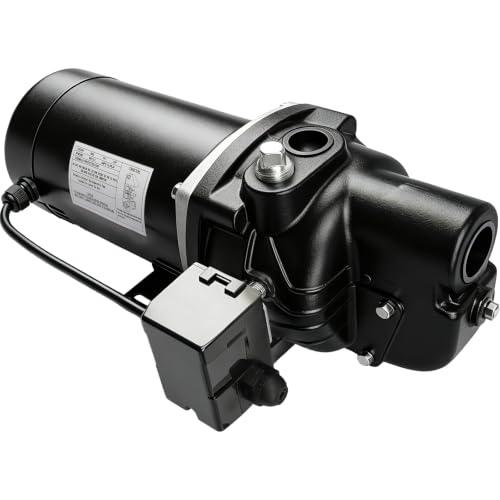
Orceed SWS100 1 HP Cast Iron Shallow Well Jet Pump 25 ft

HUNKING Sewage Grinder Pump 1HP Submersible 110V 6400 GPH

HUNKING Grinder Sump Pump Submersible 1HP 6400 GPH Auto Float

Orceed RJS-50-PREM Cast Iron Shallow Well Jet Pump 1/2 HP 12 GPM

AZZUNO 4-Inch Septic Tank Submersible Pump 1.1HP 207 ft Head
What Each Pick Brings To The Table
Orceed’s GT20 is the muscle pick of the roundup, built around a 2 HP single-phase motor that pushes up to 86 gallons per minute through 1.5-inch NPT (National Pipe Thread, a standard tapered thread used for plumbing connections) ports. Cast iron gives the volute (the spiral housing that channels water through the impeller) real weight, which helps dampen vibration when the pump is bolted to a concrete pad behind a barn or alongside a pond.
You reach for a centrifugal pump like this when you need raw volume rather than extreme lift. Lawn sprinkling on acreage, light agricultural transfer, or running a long header to fill stock tanks all fall into the GT20’s wheelhouse. The self-priming design means you don’t have to pour water into the casing every time the unit drains down, which saves a real headache on cold mornings.
The Helpful Details
- 86 GPM flow handles multi-zone lawn and light farm irrigation without choking
- Self-priming design reduces startup steps after long idle periods
- Cast iron body resists wear from outdoor mounting and seasonal weather swings
- 230V single-phase setup suits most rural outbuildings and pump houses
- Standard 1.5-inch NPT ports accept common pipe fittings from local plumbing suppliers
Things To Consider
- Centrifugal units are surface-mounted, so deep wells beyond 25 ft of suction lift aren’t realistic
- The 2 HP motor draws meaningful amperage, so a dedicated 230V circuit is necessary
- Periodic impeller inspection is commonly needed to clear debris from pond or ditch water
Whose Property It Belongs On
Large-acreage homeowners and small-acreage farmers moving serious water volume from a pond, cistern, or shallow well.
A Better Fit Elsewhere
For a deep residential well with significant vertical lift, the lxrnqcey 0.5HP submersible is a more practical match.
The mignonnememe unit drops into a 4-inch well casing and stays largely out of sight, with a stainless steel body that shrugs off the corrosive minerals common in groundwater. The 0.5 HP motor pulls water from depths where a jet pump would lose prime (lose its water-filled condition needed to create suction) and start gulping air.
Because it runs on standard 110V household current, this is one of the easier submersibles to wire if your service panel already has a spare breaker. A 1.25-inch outlet accepts common drop pipe (the vertical pipe connecting the submersible pump to the surface) fittings, and the integrated 5-foot cable keeps the control box install compact.
Notable Upsides
- Stainless steel casing resists mineral corrosion in hard-water regions
- 110V power simplifies wiring for homeowners without 230V service
- Submersible form factor means quiet operation compared to surface jet pumps
Points To Note
- 0.5 HP limits flow rate, so running multiple fixtures simultaneously may cause pressure dips
- Drop pipe, check valve, and pressure tank are commonly sold separately, which adds to overall cost
- Installation requires lowering the pump on a support rope, which may be awkward for solo DIYers
The Right Fit
Homeowners with shallow-to-moderate residential wells on standard 110V service who want a low-maintenance submersible.
Look Elsewhere When
You need higher flow for irrigation plus domestic use, in which case the Orceed GT20 centrifugal handles volume better.
The lxrnqcey submersible stretches modest horsepower into serious vertical reach, claiming up to 262.47 ft of head (the total vertical distance a pump can push water upward from its installation point to the discharge). For homeowners whose well sits deep but whose budget does not, that combination is the whole pitch.
The IP68 rating (an international standard meaning the unit is fully sealed against dust ingress and continuous water submersion) lets the pump sit submerged indefinitely without moisture intrusion, and the copper motor paired with stainless steel shell handles the abrasive grit common in older wells. At 115V with a 1-inch outlet, it fits standard residential plumbing gear, though the lift capacity drops noticeably as flow demand rises.
Key Advantages
- 262.47 ft head covers most residential wells without stepping up to a 1 HP model
- IP68 sealing allows permanent submersion without weatherproofing concerns
- Stainless steel exterior plus copper motor improve corrosion and wear resistance
- Accepts steel pipe, hose, or plastic mains, easing retrofit into older wells
Room For Improvement
- 1.8 m³/h flow rate (about 7.9 GPM) tapers off as vertical lift approaches the rated max
- Requires a control box and check valve (a one-way valve that prevents water from flowing back down into the well), often bought separately
Feature Snapshot
Who Should Grab It
Homeowners with deep wells on a tight budget who want lift capacity without stepping into 1 HP pricing territory.
Skip It When
You need surface-mounted simplicity; the Orceed RJS-75-PREM jet pump installs without lowering anything into a well.
The RJS-75-PREM is the workhorse most folks picture when they think “well pump”: a cast iron body bolted beside the pressure tank, delivering up to 16 GPM. The dual-voltage motor ships pre-wired for 115V, but you can reconfigure it to 230V if your service panel supports the higher draw.
Shallow well jet pumps pull water using suction created by the pump itself, rather than dropping a motor downhole, so the unit stays accessible for service. For a cabin or farmhouse with a well under 25 ft, this format keeps repairs above ground and visible. The included pressure switch and gauge let you dial in cut-in pressure (the threshold at which the pump kicks on to refill the system) without hunting for separate parts.
A Strong Showing
- 3/4 HP balances whole-home flow with reasonable electrical demand
- Dual-voltage motor accepts either 115V or 230V hookup
- Cast iron volute holds up against years of cycling
- Surface-mount format simplifies service compared to pulling a submersible
Honest Caveats
- Limited to roughly 25 ft of suction lift, so deep wells need a different category entirely
- Cast iron adds significant weight to the install, and the unit may need a concrete pad
At A Glance
Made For
Homeowners with shallow wells who want accessible service and reliable pressure without dropping a pump downhole.
Consider Something Else When
Your well runs deeper than 25 ft; the AZZUNO submersible handles vertical lift that surface jet pumps cannot.
The SWS75 leans hard into automation. The pre-calibrated 30–50 PSI pressure switch (a control that turns the pump on and off based on system pressure) means the unit ships ready for fully automatic cycling, no fiddling with the cut-in setting required. For owners who want a “wire it up and forget it” install, that detail matters.
Like the RJS-75-PREM, this is a surface-mount shallow well jet pump rated for 510 gallons per hour at practical pressures. The square flange motor supports both 115V and 230V wiring, factory-set to 115V for quick first-day startup. You would pick the SWS75 over its sibling for slightly higher flow delivery at the tap.
The Upside
- Pre-calibrated pressure switch removes guesswork during installation
- 510 GPH capacity handles modest irrigation alongside domestic use
- Dual-voltage motor matches common residential service panels
- Square flange motor is straightforward to service or replace
Practical Considerations
- Pressure switch calibration is fixed at 30–50 PSI, which may not match existing plumbing setpoints
- Shallow well design caps effective suction depth at roughly 25 ft
Feature Snapshot
Best Suited To
DIY installers on rural properties who want automatic pressure cycling without manual calibration steps.
Another Choice May Suit
If you want manual pressure tuning, the Orceed RJS-50-PREM offers similar cast iron build with adjustable cut-in.
The SWS100 is the step up from the SWS75, swapping the 3/4 HP motor for a full 1 HP unit while keeping the same cast iron volute and convenient priming port. That extra quarter horsepower shows up as stronger recovery at the tap when you run a sprinkler and a washing machine simultaneously.
Orceed builds this unit with a dedicated priming port on the volute, so filling the casing before first start takes seconds instead of minutes. The 25 ft maximum head figure is your practical ceiling, which fits shallow wells, dug wells, and cistern-fed setups comfortably.
What Helps Most
- 1 HP motor delivers stronger flow when multiple taps run together
- Dedicated priming port simplifies the most tedious part of jet pump setup
- Cast iron body weathers outdoor pump house conditions well
- Fits standard shallow well plumbing footprints for easy replacement
Trade Offs
- Heavier and bulkier than 3/4 HP siblings, which may matter in tight pump houses
- Capped at 25 ft suction lift, limiting it to shallow wells and surface water sources
Who Will Love This
Small farm and garden operators running a shallow well who want extra flow headroom over a 3/4 HP pump.
Reach For A Different Pick When
The well is deep; the lxrnqcey submersible reaches 262 ft of head where the SWS100 tops out at 25.
HUNKING’s grinder pump is not a well pump at all, but earns its place here because homeowners on private systems often need both. The 1 HP submersible chews through solids that would jam a standard effluent pump, then pushes the slurry up to 40 ft of head. The 6400 GPH figure handles residential sewage discharge without bogging down.
The trade-off is scope: this unit is built for sewage ejection, not clean groundwater. The manufacturer notes it should not be used in gasoline, alcohol, or biogas septic tanks, so you would pair it with a conventional residential sewage basin. For basements below sewer grade, it fills a role the irrigation-focused picks on this list cannot.
Positive Points
- Grinder mechanism reduces solids to fine particles before discharge
- 6400 GPH clears sump basins quickly during heavy inflow
- 40 ft head covers basement-to-sewer vertical runs
Where It May Fall Short
- Not intended for gasoline, alcohol, or biogas septic environments
- Grinder mechanisms wear faster than non-grinding effluent pumps in heavy-use scenarios
- Primarily an sewage egress tool, so it is overkill for clean-water well work
Made For
Homeowners with basements below the sewer line who need to grind and pump sewage uphill.
Not Your Match When
You need a clean-water well pump; the Orceed RJS-75-PREM jet pump handles residential water supply more efficiently.
This HUNKING unit takes the same grinder pump platform and adds an adjustable mechanical float switch (a buoyant device that rises with the water level to trigger the pump on and off automatically). The float lets the pump turn itself on when the basin fills and off when it drains, which removes the need to babysit the system during storms or prolonged absences.
The 2-inch NPT discharge accommodates larger diameter pipe than typical sump pumps, which reduces friction loss (the pressure drop caused by water rubbing against pipe walls) when pushing effluent over long horizontal runs to the sewer connection. Cast iron housing is the standard expectation at this power level, and HUNKING delivers it.
Why It Works Well
- Mechanical float switch automates on/off cycling without electronic controls
- 2-inch NPT discharge supports lower-friction long-run plumbing
- Grinder design chews through solids common in residential sewage
- Cast iron housing tolerates continuous submersion
A Few Limitations
- Not suitable for gasoline, alcohol, or biogas septic environments
- Float switch travel length requires adequate basin diameter to function properly
Perfect Match For
Property owners who want a set-and-forget basement sewage solution that runs without manual intervention.
Swap It Out When
You are pumping clean well water rather than sewage; the lxrnqcey submersible fits that role better.
The RJS-50-PREM is the gentlest entry in Orceed’s shallow well lineup, with a 1/2 HP motor that sips electricity compared to its bigger siblings. For a small cabin or cottage where one bathroom and a kitchen sink are the heaviest simultaneous draws, that lighter load is genuinely enough.
The factory pre-set 30/50 pressure switch and gauge ship in the box, matching the convenience owners get from the larger SWS75. Cast iron construction is consistent across the line, so you are not trading long-term durability for a smaller motor. The dual-voltage setup covers either 115V cabin service or 230V shop feeds.
The Good Stuff
- 1/2 HP motor keeps electrical demand low for off-grid or solar-assisted setups
- Pre-set 30/50 pressure switch simplifies install steps
- Dual-voltage motor adapts to either household or shop wiring
- Cast iron volute matches the durability of larger Orceed models
Worth Bearing In Mind
- 12 GPM flow rate will struggle if two high-demand fixtures run at the same time
- Suction lift is limited to roughly 25 ft, so deep wells are out of reach
Right Fit For
Small cabin and cottage owners who run modest water demand and want cast iron build without oversizing the motor.
Where Another Pick Suits Better
For a household with several simultaneous fixtures, the Orceed SWS75 3/4 HP keeps pressure steadier under load.
AZZUNO’s submersible steps into heavy-duty territory with a 1.1 HP motor wrapped in a full stainless steel body. The bottom-suction design pulls water from the deepest part of a basin or well, while the 207 ft head covers deep-well residential and light commercial scenarios where surface pumps fail.
The 33-foot UL-listed cord (a certification mark confirming the cable meets published safety standards from Underwriters Laboratories) is a notable detail for well work, because longer drops require cabling that meets code. The 1-1/4 inch FNPT discharge fits standard 4-inch well casings, and the precision impeller maintains steady output across the flow range.
Practical Pluses
- Full stainless steel body resists rust and chemical exposure
- 207 ft head handles deep wells and basement-to-grade lifts
- 33-foot UL-listed cord supports deep submersible installations to code
- Bottom-suction design maximizes drawdown in basin applications
- Precision impeller maintains consistent output under varying load
Where It Is Less Suited
- 230V-only operation requires dedicated high-voltage wiring
- Overkill for shallow residential wells under 25 ft of lift
Feature Card
Built With In Mind
Property owners with deep wells or septic lift stations who want long-term corrosion resistance.
Where A Sibling Pick Shines
For a shallow well with 110V service, the mignonnememe submersible installs without a high-voltage circuit.
Matching Pumps To Wells, Water, And Wiring
Picking the right well pump comes down to three honest measurements: how deep the water sits, how much flow you need at the tap, and what electrical service your panel already provides. Surface-mounted jet pumps handle shallow wells up to about 25 feet of suction lift, while submersible units take over once you go deeper. Flow rate matters just as much: a 0.5 HP unit may technically lift from 200 feet down, but the trickle at the kitchen sink will frustrate anyone running a shower and a washing machine at the same time.
The cleanest starting move is to measure or look up your well depth and static water level (the natural resting depth of water in the well when no pump is running). Subtract the static level from the total depth to get your drawdown zone (how far the water drops below the static level when the pump is actively running), and remember to add the vertical rise from the wellhead to the highest fixture in the house. That running total is the head your pump has to beat. Every foot of elevation and every foot of horizontal pipe adds friction, so generous pumps earn their keep on long runs.
Voltage is the detail that quietly derails installations. Many rural homes only have 115V service at the wellhead, which limits you to pumps like the mignonnememe submersible or the Orceed RJS-50-PREM jet pump. If your service panel supports 230V, you unlock the more powerful GT20, RJS-75-PREM, and AZZUNO units. The dual-voltage Orceed SWS75 and RJS-75-PREM models give you a fallback if you upgrade electrical later, which is a quiet long-term value.
For homes with basements below the sewer line, a grinder pump enters the picture alongside any well pump. These are separate devices with separate jobs, and homeowners on private septic systems commonly run both. Match the well pump to the water source, then layer in a sewage grinder like the HUNKING unit only if your plumbing layout demands it.
Smart Choices Before You Commit
Common Shopping Slip Ups
The most frequent mistake is choosing a pump that lifts too little for the actual well depth, which leads to short cycling (the pump repeatedly starting and stopping in rapid succession as pressure builds and drops before reaching the tank) and dry-running damage. The second slip is ignoring voltage compatibility and assuming any pump will wire into any panel, which forces expensive electrical work after the fact. Third, homeowners often buy a jet pump for a deep well or a submersible for a surface cistern, then wonder why priming or suction fails. Match the pump class to the water source before looking at horsepower.
What The Higher Tier Buys
Premium-tier well pumps earn their pricing through build materials and headroom. Cast iron volutes outlast stamped steel in freeze-prone pump houses, stainless steel housings shrug off corrosive groundwater that would pit cheaper alloys, and UL-listed cords meet code on deep submersible drops. Higher horsepower also buys redundancy: a 1 HP motor running below its capacity tends to last longer than a 1/2 HP unit straining at its limit. The upgrade pays off most on deep wells, corrosive water, and properties where downtime means real inconvenience.
Frequently Asked Questions
How do I know whether I need a jet pump or a submersible?
Jet pumps sit beside the well and pull water up using suction, which works for wells up to about 25 feet deep. Submersibles drop down inside the well casing and push water up, which is the only option for deeper wells. Measure your well depth before shopping.
What does “head” mean on a well pump spec sheet?
Head is the total vertical distance the pump can push water, including the rise to your house plus the depth below the static water level. The higher the head rating, the deeper or higher the system can serve.
Can I run a well pump on solar or off-grid power?
Smaller 110V pumps like the mignonnememe submersible or Orceed RJS-50-PREM pair reasonably with off-grid inverters, but you will need a battery bank or generator for the startup surge (the brief spike of extra current the motor draws the instant it begins spinning). Higher-horsepower 230V units demand larger inverter capacity.
Why do some pumps include a pressure switch and others do not?
Pressure switches turn the pump on and off automatically based on system pressure. Pre-calibrated switches like those on the Orceed SWS75 simplify installation, while units sold without switches let experienced installers match the cut-in and cut-out pressure to an existing pressure tank.
How often does a well pump need maintenance?
Surface jet pumps benefit from annual checks of the seal, pressure switch contacts, and priming. Submersibles run for years between interventions, but pulling them out of the well is more involved when service is needed.
Final Verdict
The right well pump comes down to your well depth, your electrical service, and how many fixtures your household runs at once. Shallow wells on 110V service point toward the Orceed RJS-50-PREM or the mignonnememe submersible. Deeper residential wells need something like the AZZUNO submersible or the lxrnqcey 0.5 HP unit. Larger properties with surface water sources get the most from the GT20 centrifugal, while basements below sewer grade want a HUNKING grinder on standby. Match the pump to the hole, and the rest of the system tends to fall into place.
