

A slow drain can turn a normal morning into a fight with standing water, and a sewer line backup is worse, leaving you with foul smells and rising panic. Choosing the right drain treatment means matching the chemistry to the clog, and respecting what your pipes and septic system can handle. This list rounds up ten chemical treatments that cover everything from main sewer lines and grease traps to HVAC condensate pans and septic tanks.
An Overview Of The Picks
Doctor Drain Monthly Natural Septic Tank Treatment Packets

Mission Control 32 oz AC Drain Line Cleaner

Insta-Flo Crystals Drain Cleaner 2 lb

Thrift T-100 Alkaline Granular Drain Cleaner 2-Pack

Thrift T-200 Odorless Drain Cleaner 2-Pack
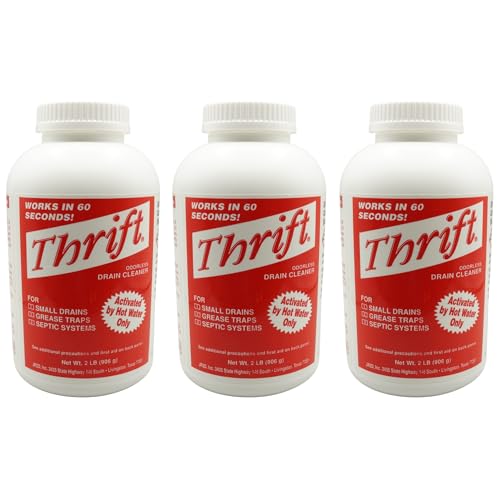
Thrift Drain Cleaner 2 lb 3-Pack

Thrift 6 lb Alkaline Granular Drain Cleaner

jecudi Hair & Grease Drain Cleaner

Thrift T-200 Drain Cleaner 2 lb

Uncle Todd’s HVAC Drain Line Cleaner 16 oz
What Each Pick Brings To The Table
Unlike the caustic crystals that follow in this lineup, Doctor Drain takes the slow-and-steady route, using enzyme-based bacteria to break down organic waste inside your septic tank. The 8 oz concentrate treats up to a 1500-gallon system, and the one-flush packet design makes monthly dosing almost foolproof.
For homeowners who want prevention rather than emergency rescue, this product sits in a different lane than the rest of the list. It digests proteins, oils, grease, and paper before they accumulate into a clog.
Notable Upsides
- Natural bacteria digest organic buildup before it becomes a clog.
- Non-corrosive formula safe for all pipe materials and septic tanks.
- Concentrated 8 oz bottle treats up to 1500 gallons with minimal packaging waste.
- Monthly dosing reduces foul odors from the drain field.
- Doubles as a toilet bowl refresher without harming plumbing.
Things To Consider
- Not designed to clear an active, severe clog on its own.
- Enzymes work slowly and need consistent monthly use to be effective.
- Owners with very old systems may not see dramatic results without a tank pumping first.
Who It Suits Best
Rural homeowners on septic systems who want a gentle, preventive maintenance routine.
Consider Something Else When
You face an active backup and need a fast-acting formula, in which case Insta-Flo Crystals Drain Cleaner delivers much quicker results.
The Mission Control bottle targets a very specific, very common headache: the air conditioner condensate line that clogs with algae and sludge and overflows onto your ceiling. One 32 oz bottle delivers four treatments at 8 oz each, and each pour sits in the line for 15 to 30 minutes before a flush.
Where Doctor Drain works through biology, this one works through chemistry designed for HVAC pans and cleanout ports. It suits homeowners with central air or ductless mini splits who want a quarterly routine that prevents ceiling stains.
Benefits That Matter
- Four treatments per bottle stretch value over a full year of quarterly use.
- Helps prevent overflow stains on ceilings and nearby drywall.
- Simple pour-and-flush routine requires no special tools.
- Designed for both central AC systems and mini split units.
Worth Noting
- Specific to HVAC drain lines, not general household plumbing.
- Needs routine use every one to three months for full effectiveness.
- A severely compacted clog may require a technician or wet vac first.
Key Product Details
Made For
Homeowners running central AC or mini split systems in humid climates where algae growth is constant.
Not Your Match When
You need a sewer line or sink drain treatment, where Uncle Todd’s HVAC Drain Line Cleaner is broader in scope but still HVAC-focused.
Insta-Flo is the speed play of the group, and the appeal is right there in the name. The dry crystals go in the drain, get hit with hot water, and within roughly a minute start dissolving hair, grease, and soap scum that daily use pushes into the trap.
For households that want a small, sturdy bottle under the sink for emergencies, this one earns its spot. The 2 lb container covers multiple treatments without taking up cabinet space.
A Strong Showing
- Hot water activation cuts waiting time to about a minute.
- Dissolves the three most common household clog culprits in one pour.
- Compact 2 lb bottle stores easily under a bathroom or kitchen sink.
- No mixing or measuring required beyond the hot water step.
Trade Offs
- Aggressive chemistry means extra care with porcelain finishes nearby.
- Less effective on fully blocked lines than a professional auger.
- Hot water requirement adds a step compared to ready-to-pour liquids.
Best Suited To
Apartment dwellers and homeowners who need a fast rescue product on hand for slow shower or sink drains.
Look Elsewhere When
You want a gentler monthly maintenance routine, in which case Doctor Drain Monthly Natural Septic Tank Treatment Packets fits the bill.
Thrift’s T-100 carries the same hot-water-activated chemistry as the brand’s larger siblings, but in a smaller 1 lb bottle and a 2-pack format that suits pros and homeowners with several drain lines. It is built for sewer lines, grease traps, and main stacks where a single small bottle would run out fast.
Where Insta-Flo targets one sink at a time, T-100 has the volume to handle bigger jobs. The non-acid formula also avoids the fumes and pipe damage that acid-based openers can cause.
Everyday Perks
- Hot water activation works in under a minute for most blockages.
- Non-acid formula designed not to harm porcelain, chrome, brass, or plastic pipes.
- Two-pack bundle covers multiple treatment zones without a reorder.
- Odorless dry crystals make indoor application more pleasant.
- Equally useful for residential, commercial, and professional plumbing jobs.
Room For Improvement
- Still requires boiling or very hot water on hand, which slows the job.
- Smaller 1 lb bottles may run dry on heavy commercial grease traps.
- Crystals need careful pouring to avoid splash-back onto skin or fixtures.
Who Will Love This
Maintenance staff and homeowners who treat several drains at once and want a non-acid formula they can use confidently.
A Better Fit Elsewhere
Single-bottle shoppers will find the Thrift T-200 Drain Cleaner 2 lb easier to justify than a 2-pack.
The T-200 steps the bottle size up to 2 lb and doubles down on the odorless promise. Where T-100 might handle a bathroom line, T-200 keeps enough product on the shelf for sewer line work and recurring grease trap maintenance, and the lack of fumes makes indoor use easier to live with.
This is the version most homeowners land on for routine deep cleaning of kitchen stacks and laundry drains. It pairs well with a kettle of boiling water and a few minutes of patience.
Good Reasons To Consider
- Two 2 lb bottles cover a full household treatment cycle.
- Non-acid formula safe for porcelain, chrome, polished brass, and plastic pipe.
- Hot water activation delivers results in under a minute.
- Odorless crystals are easier to use indoors than caustic liquids.
Points To Note
- Hot water requirement means a kettle or pot at the ready.
- Not intended for completely blocked lines that need mechanical clearing.
- Owners with very old galvanized pipe should confirm compatibility before regular use.
Perfect Match For
Households with septic systems that want a no-fume formula safe for sensitive plumbing.
Swap It Out When
You only need a single starter bottle, in which case the Thrift T-200 Drain Cleaner 2 lb is a more compact pick.
The 3-pack version of Thrift’s 2 lb formula exists for one reason: keeping a steady supply on hand without reordering every few weeks. Property managers, small restaurant owners, and homeowners who treat multiple drains on a schedule benefit most from the bulk format.
For the casual one-clog user, this is overkill. For anyone running a recurring maintenance plan across several units, the per-bottle value is hard to argue with.
Where It Helps
- Three 2 lb bottles keep a maintenance closet stocked for the long haul.
- Same hot-water-activated, non-acid formula as the standard 2-pack.
- Suits sewer lines, grease traps, and septic systems in one product.
- Odorless crystals reduce ventilation worries during indoor treatment.
A Few Limitations
- Bulk format adds storage demand in small apartments or condos.
- Shelf life depends on keeping the bottles sealed and dry.
- Not designed for fully blocked drains needing mechanical clearing.
Right Fit For
Property managers and homeowners juggling multiple kitchens, baths, or rental units on a maintenance rotation.
Another Choice May Suit
Single-household users get the same chemistry in less space from the Thrift 6 lb Alkaline Granular Drain Cleaner.
This 6 lb jug is the largest Thrift option in the lineup and signals intent: serious drain maintenance on tough clogs in sinks, tubs, sewer lines, and grease traps. For households that know they have heavy use, one bottle covers months of recurring treatments without a reorder.
The trade-off shows up in storage. A 6 lb container wants a utility shelf, a garage corner, or a basement workbench rather than a kitchen cabinet.
Notable Gains
- Large 6 lb size covers long maintenance cycles without reordering.
- Hot water activation clears drains in under a minute.
- Dry, odorless crystals keep indoor air comfortable during treatment.
- Safe for sinks, tubs, sewer lines, grease traps, and septic systems.
Honest Caveats
- Big bottle demands dedicated storage space.
- Hot water step still required at every use.
- Not a substitute for mechanical clearing on fully blocked lines.
Feature Snapshot
Built With In Mind
Homeowners and small commercial operators with recurring heavy clogs who want a single bulk container.
Reach For A Different Pick When
Storage space is tight, in which case the Thrift T-200 Odorless Drain Cleaner 2-Pack keeps things more compact.
The jecudi formula swaps crystals for a ready-to-pour liquid aimed at hair and grease in kitchen and bathroom plumbing. No kettle, no boiling water, no measuring crystals, just pour and wait. The package even includes a microfiber cleaning towel for wiping up splash or residue around the drain opening.
Compared to the Thrift alkaline crystals earlier in the list, this is the gentler, more user-friendly option for daily slow drains.
Real Benefits
- Liquid form skips the hot water step entirely.
- Targets the two most common household clog types: hair and grease.
- Safe for PVC, metal, and septic plumbing when used as directed.
- Bundled microfiber towel makes cleanup easier around the drain.
Where It Is Less Suited
- Less aggressive than alkaline crystals on heavy grease trap clogs.
- Liquid format can splash during pouring if the drain is dry.
- Owners with fully blocked drains may still need mechanical help.
Whose Shelf It Belongs On
Busy households that want a no-fuss, pour-and-go liquid for monthly slow-drain maintenance.
Where Another Pick Suits Better
Restaurants and pros handling heavy grease will get more bite from Thrift T-100 Alkaline Granular Drain Cleaner 2-Pack.
The single-bottle T-200 is the friendliest entry point into Thrift’s lineup for someone trying it for the first time. One 2 lb container is enough to tackle several treatments across a household without committing to a multi-pack, and the odorless formula keeps indoor use approachable.
It suits small drains, grease traps, septic systems, and sewer lines, giving beginners room to learn how hot-water-activated chemistry works.
Why It Works Well
- Single 2 lb bottle lowers the entry cost for first-time users.
- Hot water activation clears drains in under a minute.
- Odorless crystals suit indoor bathrooms and kitchens.
- Multi-purpose formula handles small drains, grease traps, septic, and sewer lines.
Practical Considerations
- Needs boiling or very hot water on hand at every use.
- Not designed for fully blocked drains needing mechanical clearing.
- Single bottle may run out fast for households treating multiple lines monthly.
Quick Facts
Who Should Grab It
First-time homeowners who want to try Thrift chemistry without buying a multi-pack.
Skip It When
You maintain several properties at once, where the Thrift Drain Cleaner 2 lb 3-Pack keeps you in stock longer.
Uncle Todd’s closes the list with a bleach-free HVAC formula aimed at tough condensate clogs and long-lasting protection. The 16 oz bottle covers up to eight months of routine pours, making it one of the most economical maintenance options for AC drain lines, ice makers, soda fountains, drinking fountains, and pumps.
Where Mission Control focuses on quarterly ceiling-stain prevention, Uncle Todd’s pushes for fewer, spaced-out applications with a bleach-free profile.
Useful Highlights
- 16 oz bottle covers up to eight months of routine treatments.
- Bleach-free formula is gentler on metal components and drain pans.
- Designed for HVAC drain lines, ice makers, soda fountains, and pumps.
- Clears organic buildup that leads to costly service calls.
Factors To Consider
- Specific to low-volume HVAC and appliance drain lines, not household sinks.
- Long dwell time between applications means patience is required.
- Severe biological fouling may still need a technician before routine use.
Feature Card
The Right Fit
Facility managers and homeowners who service multiple appliances and want a bleach-free option.
Where A Sibling Pick Shines
Homeowners with a single central AC unit and ceiling stain worries get more targeted prevention from Mission Control 32 oz AC Drain Line Cleaner.
Matching The Chemistry To Your Drain Problem
Knowing the right type of treatment matters as much as picking a brand. Enzymatic products use beneficial bacteria to digest organic waste over time and are the gentlest option for septic tanks and routine maintenance. Alkaline granular cleaners rely on a hot-water-activated reaction that breaks down grease, hair, and soap scum fast, making them the workhorses for sewer lines, kitchen stacks, and grease traps. Liquid formulas skip the hot water step entirely and suit people who want a simple pour-and-wait routine for slow bathroom and kitchen drains. HVAC-specific blends target algae and biological slime inside condensate lines, where general drain products often fall short.
The right match comes down to identifying your clog type first. Hair and soap scum in a shower drain calls for a fast-acting crystal or liquid. Slow kitchen sinks with grease buildup respond to alkaline formulas. Ongoing septic odor points to enzyme treatments. AC line overflow points to HVAC blends. Picking by drain location, not by brand, saves money and prevents the wrong chemistry from sitting in the wrong pipe.
Pipe And Septic Compatibility
Older galvanized steel, cast iron, and PVC lines all react differently to drain chemistry. Alkaline granular products list compatibility with porcelain, chrome, polished brass, plastic, and metal pipes when used as directed, but repeated heavy use on aging galvanized can still shorten its life. Enzyme products are the safest bet for any pipe material because they avoid harsh reactions altogether. For septic systems, choose enzyme-based or non-acid alkaline formulas and avoid mixing treatment types, which can cancel out the bacterial colonies that keep the tank healthy.
Frequency, Volume, And Storage
Routine maintenance with smaller, single-bottle products suits most households. Property managers and pros running recurring rotations benefit from multi-pack or bulk formats, but those need a dry, sealed storage spot away from moisture. Liquid products carry less long-term storage risk but can degrade faster once opened. Whichever format you pick, label the bottle, keep it sealed, and store it upright to avoid spills.
Where Shoppers Go Wrong And Where The Upgrade Pays Off
Traps First Timers Fall Into
Buying the strongest chemical you can find and pouring it down a fully blocked drain rarely ends well. When water sits in a line with nowhere to go, aggressive chemistry can splash back, sit undiluted against a pipe joint, or simply fail to reach the clog. Mechanical clearing first, followed by a maintenance dose, is the safer order of operations. Skipping pipe material checks is another common mistake: alkaline cleaners are versatile, but very old or compromised pipe benefits from enzyme maintenance instead.
What The Higher Tier Buys
Stepping up from a single 2 lb bottle to a 6 lb jug or a 3-pack mainly buys convenience and per-treatment cost, not stronger chemistry. The formulas are nearly identical across Thrift’s sizes. The upgrade is worth it when you treat multiple drains on a regular schedule, store product in a garage or utility closet, and want to avoid reordering every month. For a single household with one slow drain, the smaller sizes deliver the same cleaning power without the storage demand.
Frequently Asked Questions
What Is The Safest Chemical To Unclog A Sewer Line?
Enzyme-based and non-acid alkaline formulas are generally the safest options for residential plumbing. They avoid the fumes and pipe damage that acid-based openers can cause. Always check that the product is rated for your pipe material before pouring it into the main line.
How Often Should I Use A Sewer Line Treatment?
Most alkaline treatments work well as a monthly or quarterly maintenance dose, depending on household size and grease output. Enzyme products are typically a monthly treatment for septic systems. Heavy-use kitchens may benefit from more frequent applications.
Can I Use A Drain Cleaner If I Have A Septic System?
Yes, but stick to enzyme-based or non-acid alkaline formulas designed for septic compatibility. Avoid mixing treatment types, and never use harsh acid openers in a septic system, since they can disrupt the bacterial balance inside the tank.
Do I Need To Use Hot Water With These Treatments?
Granular alkaline cleaners require hot water to activate properly. Enzyme and liquid products do not need hot water and can be poured directly into the drain. Always read the label before use, since skipping the activation step can reduce effectiveness.
Will These Products Clear A Fully Blocked Sewer Line?
Most household chemical treatments work best as maintenance or on slow drains. A fully blocked sewer line often needs a mechanical auger or professional service first, followed by a chemical maintenance dose to keep the line flowing afterward.
Bottom Line
The right chemical for your sewer line depends on what is actually causing the problem, what kind of pipes you have, and whether you need an emergency fix or a long-term maintenance plan. Enzyme products keep septic systems healthy over time, alkaline crystals handle grease and hair fast, liquids offer a no-fuss pour-and-go routine, and HVAC blends protect condensate lines from algae and overflow. Match the formula to your drain, your pipe material, and your schedule, and the clog problem becomes far less intimidating.
