Address
304 North Cardinal
St. Dorchester Center, MA 02124
Work Hours
Monday to Friday: 7AM - 7PM
Weekend: 10AM - 5PM
Address
304 North Cardinal
St. Dorchester Center, MA 02124
Work Hours
Monday to Friday: 7AM - 7PM
Weekend: 10AM - 5PM

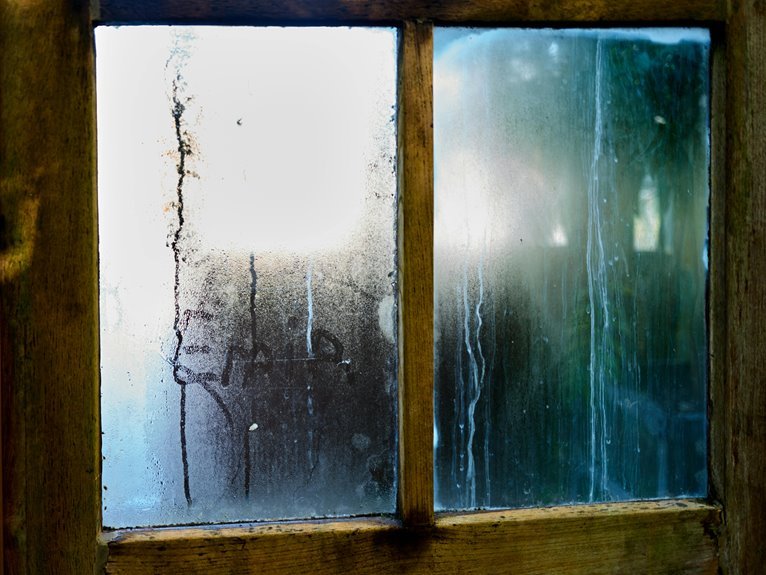
Bathroom condensation shows up whenever warm, wet air hits cold surfaces, and it can leave you with foggy mirrors, drippy walls, and that stubborn damp smell you’d rather not invite back. You can cut it fast with a few smart moves, like running your extractor fan longer, cracking a window, and wiping down wet surfaces after showering. But should the mist keep coming back, the real fix might be hiding in how your bathroom moves air and holds heat.
Bathroom condensation happens whenever warm, moist air from a shower or bath hits cooler surfaces like mirrors, windows, tiles, and walls. You’re not doing anything wrong; the room’s surfaces are simply colder than the steam you’ve made.
That difference in temperature turns water vapor into tiny droplets. Thermal bridging can make some spots even colder, so you might notice wet patches near edges, corners, or outside walls initially.
Poor ventilation maintenance also lets damp air linger, which gives more time for condensation to form. Should your bathroom stays shut up after use, humidity builds fast and the moisture has nowhere to go.
The positive news is that you can cut bathroom condensation fast with a few smart moves right after you shower.
First, wipe the mirror, tiles, and glass with a towel or cloth, then use a squeegee so droplets don’t linger. Next, keep a small towel rotation nearby, so you always grab a dry one instead of a damp, soggy helper.
You can also close the door during your shower to hold the steam in one space, then open it a little when you’re done.
After that, dry the floor and grout lines, since trapped water feeds the fog.
Finally, consider houseplant selection if your bathroom feels crowded, because fewer moisture-loving plants can help your space feel cleaner, calmer, and easier to share.
Once you’ve wiped away the worst of the steam, it makes sense to look at what’s keeping that moisture in the room in the initial place. You need air moving out and fresh air moving in, so your bathroom doesn’t feel like a damp clubhouse. Check duct sizing initially, because a cramped duct can trap humid air and leave you with cloudy mirrors. Then look at passive vents, which help air drift through the room even while you’re not doing anything fancy.
Whenever you improve airflow, you give yourself a drier, calmer bathroom that feels easier to live with every day.
Your extractor fan can do a lot more than just hum in the background, but only provided that you use it well.
Place it where it can pull damp air out fast, keep it running for about 30 minutes after your shower, and clean the grille often so it doesn’t lose power.
A small bit of care here can make a big difference in keeping condensation down.
Smart extractor fan placement can make a big difference while you’re fighting bathroom condensation. Whenever you choose ceiling placement, you help the fan catch steam right where it rises, so moisture leaves before it settles on mirrors and tiles. Then, good duct routing sends that damp air outside instead of letting it linger in the room.
With the right spot, you create a bathroom that feels fresher, drier, and more welcoming for everyone who shares it.
Often, the biggest mistake with bathroom condensation is turning the extractor fan off too soon. Should you want a drier, more comfortable bathroom, give it time to keep working after you shower. That extra stretch helps pull humid air out before it settles on tiles and mirrors. Most fans have timer settings, so use them. In the event yours lets you extend runtime, set it for at least 20 to 30 minutes.
| Fan habit | Result |
|---|---|
| Run it during showering | Less steam builds up |
| Keep it on after you leave | Damp air keeps moving out |
| Use timer settings | You don’t have to recollect |
| Extend runtime on humid days | Condensation drops faster |
You’re not battling this alone. With the right setting, your fan does the heavy lifting for your home.
Dust off the grille, and you give your extractor fan a real chance to work.
Whenever dust buildup clogs the slots, air slows down, and steam hangs around longer. You can feel the difference fast: the mirror stays cloudy, and the room never quite settles.
After that, check the blades for lint and grime.
A clean fan moves damp air out with less effort, so you and your bathroom team up against condensation instead of inviting it to stay.
Crack open a window or door after your shower, and you can help steam escape before it turns into clingy condensation. You don’t need a big draft; even a small gap gives moisture somewhere to go.
Should your bathroom has a window and a hall door, try both for natural ventilation and a gentle cross draughts effect. That moving air helps dry mirrors, tiles, and corners before droplets settle in.
Were you to share the space, let everyone know you’re airing it out so the room feels fresh for the next person. On cooler days, close the door to the rest of the home and keep the airflow focused. A few minutes of fresh air can make your bathroom feel brighter, lighter, and much less damp.
You can cut a lot of shower steam via keeping showers shorter, since less time in the water means less warm moisture in the air.
Try turning the water down a little too, because cooler water makes less vapor and helps your bathroom stay calmer.
Then let the steam escape fast with good airflow, so it doesn’t hang around and feed condensation.
Shorten your showers whenever bathroom condensation keeps showing up like an uninvited guest. You’ll make less steam, and your bathroom will feel calmer and more comfortable. Should you need help, try shower timers so you can keep track without guesswork.
Next, swap in water saving soaps that rinse fast, so you don’t linger while scrubbing.
Once you cut shower time, you help your space breathe easier, and you protect that cozy, shared feeling you want in your bathroom.
After a quick shower, the next smart move is to turn down the heat a bit, because cooler water makes less steam in the initial place. You don’t need icy water to get results; even a small thermostat adjustment can help.
Try cooling showers that feel comfortable but not scorching, and you’ll notice the mirror fog less and the room feel lighter. In case you share the bathroom, this small change helps everyone breathe easier and keeps the space friendlier for the next person.
You can also ease into the water slowly, then settle on a lower setting that still feels good on your skin. Little bit by bit, you’re building a bathroom that stays calmer, drier, and more pleasant for the whole household.
Let the steam out fast, and your bathroom will feel better almost right away. You want that warm cloud gone before it settles on tiles and mirrors. Keep the extractor fan on during your shower, then leave it running for 30 minutes after. Should your fan has moisture sensors, check the sensor placement so it reads the humid air, not a dry corner. A portable extractor can help in tight spaces whenever built-in ventilation feels weak.
These small moves help your bathroom crowd work together, so everyone gets a drier, calmer space. Once steam moves out fast, condensation has less time to stick around and cause trouble.
Cold bathroom surfaces make condensation worse, however you can calm that problem through warming the room a little and helping the walls hold less chill. Whenever you raise surface temperature, you give steam fewer places to cling, so your space feels more welcoming. A few smart upgrades can help:
| Option | Benefit |
|---|---|
| heated towelrails | Warm towels and nearby air |
| thermal curtains | Slow down cold from windows |
| wall insulation | Reduce chilly surfaces |
You can also keep the bathroom cozy with a small heater before showers, then let the warmth linger. That extra comfort helps you and your family feel at home, not on a damp set. The goal isn’t a sauna, just enough warmth to soften cold spots and make every tile less inviting to droplets.
Taming damp air across your home can make bathroom condensation far less stubborn, because moisture in one room rarely stays there for long. You can build a whole house habit that helps everyone feel more comfortable.
Whenever you lower moisture in shared spaces, your bathroom has less damp air to fight. That means mirrors clear faster, walls feel less clammy, and your home feels calmer.
You’re not fixing one wet room alone. You’re helping the whole place breathe better, and that teamwork shows.
Even after you’ve lowered the moisture in the whole house, a concealed leak can keep your bathroom stubbornly damp. You can start at checking under the sink, around the toilet, and behind the shower for drips, stains, or soft patches.
Should water shows up near the ceiling, inspect roof membranes above the room, because a small tear can send damp straight down the wall.
Next, look for peeling paint, musty smells, or swollen skirting boards, since those signs often point to concealed trouble. Upon spotting damage, fix the source fast and dry the area fully.
In case timber feels wet, ask for timber treatment before rot spreads. That way, you protect your space, calm the room, and keep your bathroom feeling fresh and cared for.
You can cut down bathroom condensation through choosing materials that don’t soak up moisture fast.
Waterproof wall panels give you a smooth, sealed surface that helps keep damp air from settling in gaps and grout.
Mold-resistant paint adds another layer of protection, so your walls stay cleaner and easier to manage.
Waterproof wall panels can make a big difference in a bathroom that keeps battling condensation. You get a cleaner, warmer surface that helps your room feel easier to live with, not soggy and cold.
Because the panels use sealed joints, you cut down on water sneaking into gaps, and that keeps your walls steadier through steamy showers.
When you choose these moisture-resistant walls, you join many homeowners who want comfort and style without the damp drama.
Mold-resistant paint can quietly change how a bathroom handles daily steam, and that matters more than most people reckon.
You give your walls a better shield whenever you choose formulas with antimicrobial coatings and breathable primers.
The coating helps slow mold growth, while the primer lets trapped moisture escape instead of sitting under the surface.
That means your bathroom feels cleaner, and you worry less after every shower.
You can pair this paint with steady ventilation and regular wiping, so the walls stay drier between uses.
In case you’re updating old paint, clean the surface well initially and let it dry fully.
Then you build a finish that works with your space, not against it, and that’s a win you can actually see.
Keeping bathroom condensation under control starts with cutting the moisture at its source and moving it out fast. You can make that happen with steady air purging and regular humidity audits, so your space feels fresher and more like home.
Start with a strong extractor fan, then run it during showers and after. Next, shorten steamy showers and keep the door closed to trap damp air until it leaves.
When you keep moisture moving, you protect your bathroom, your routine, and the people who share it with you.
You can reduce mirror condensation by applying an anti fog coating, keeping the extractor fan on, and using a squeegee to clear away steam. The mirror stays usable sooner, and the bathroom feels less humid.
Yes, heated demist mirrors reduce condensation by warming the glass quickly, which helps it stay clear. They work best when fitted correctly, with strong ventilation and sensible drying habits, and they can make bathroom use more comfortable.
Choose an extractor fan that clears your bathroom’s moist air to the outside quickly enough to prevent steam from building up. Match the fan to your bathroom size, airflow needs, and installation position, then keep it running while you shower.
Yes, a portable dehumidifier can be used safely in a bathroom if it is kept away from water, used exactly as instructed, and never left running without supervision. It helps reduce humidity and can make the room feel less damp.
Yes, anti condensation paint can help reduce mould by improving surface resistance, slowing moisture build up, and protecting bathroom walls. It will not solve the problem by itself, so you still need proper ventilation and regular drying to keep dampness under control.